Routine printer maintenance starts with a diagnostic color test page. To ensure vibrant hues and exact color gamut reproduction, printing a standard CMYK test pattern is essential. This diagnostic print easily identifies banding, faded ink cartridges, or depleted toner levels before you waste paper on a final project.
 Color Test Pages CMYK Bars, Gradient Scales, And Color Wheels For Print Accuracy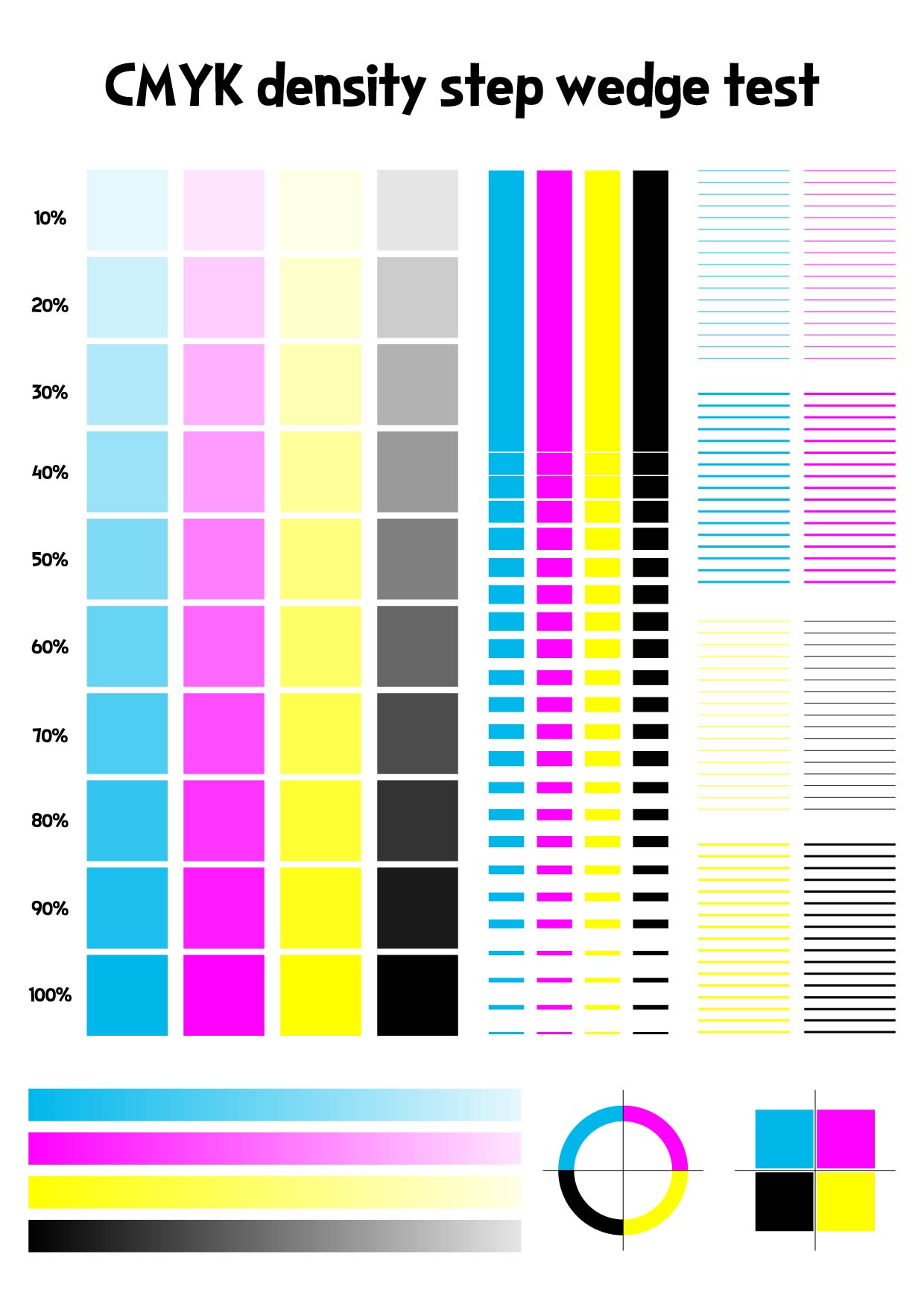
 CMYK Density Step Wedge
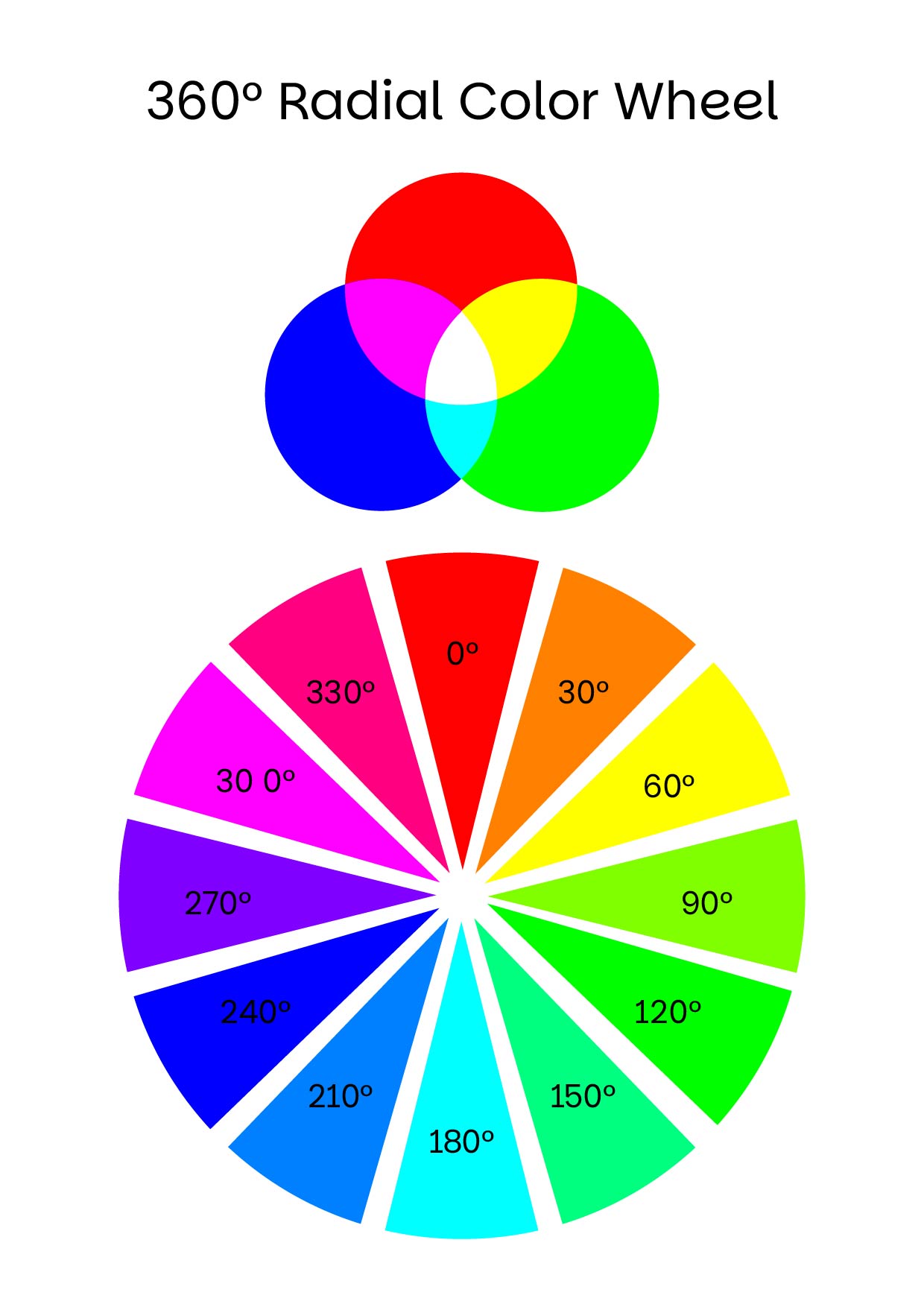
 360-Degree Radial Color Wheel
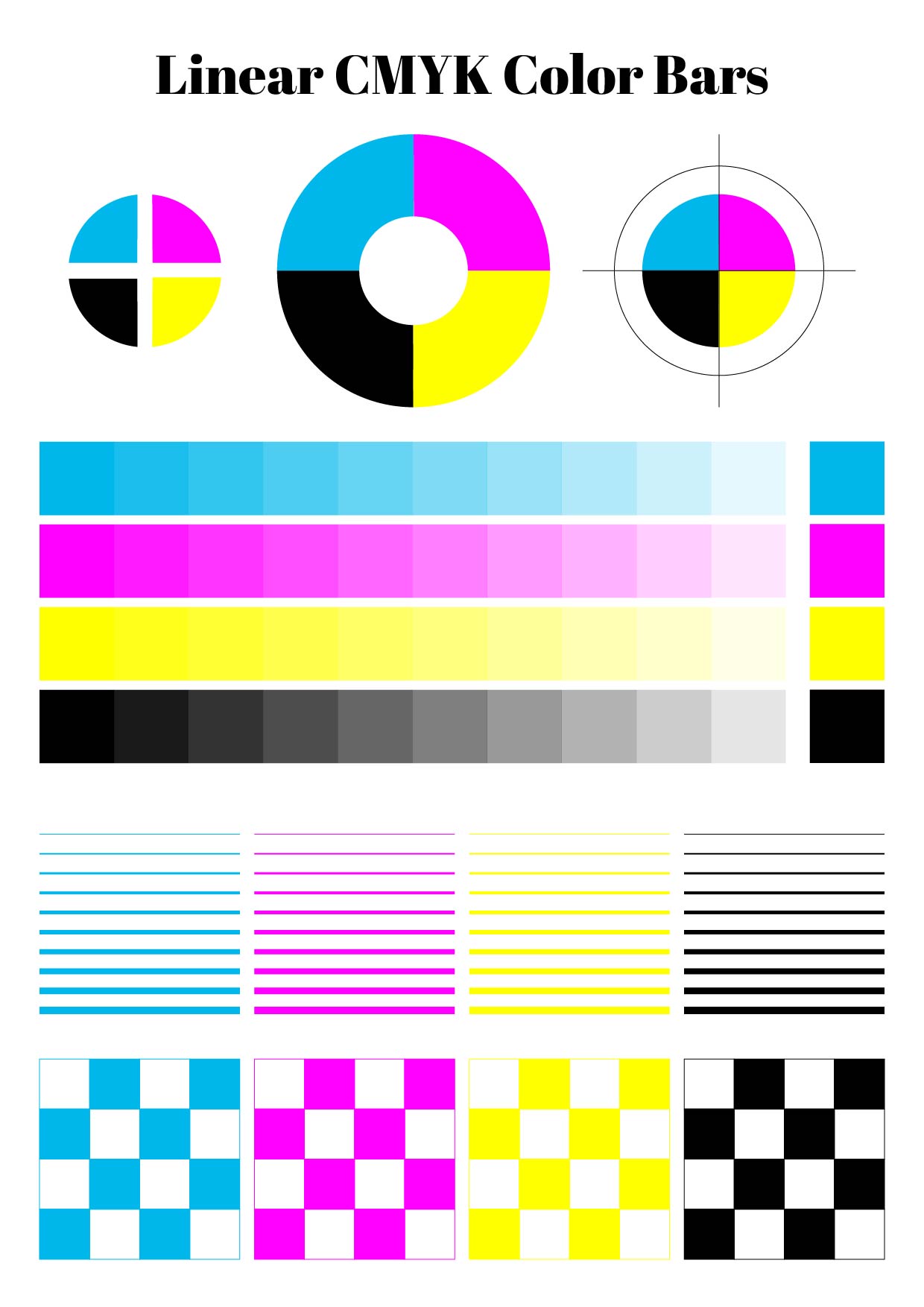
 Linear CMYK Process Color Bars
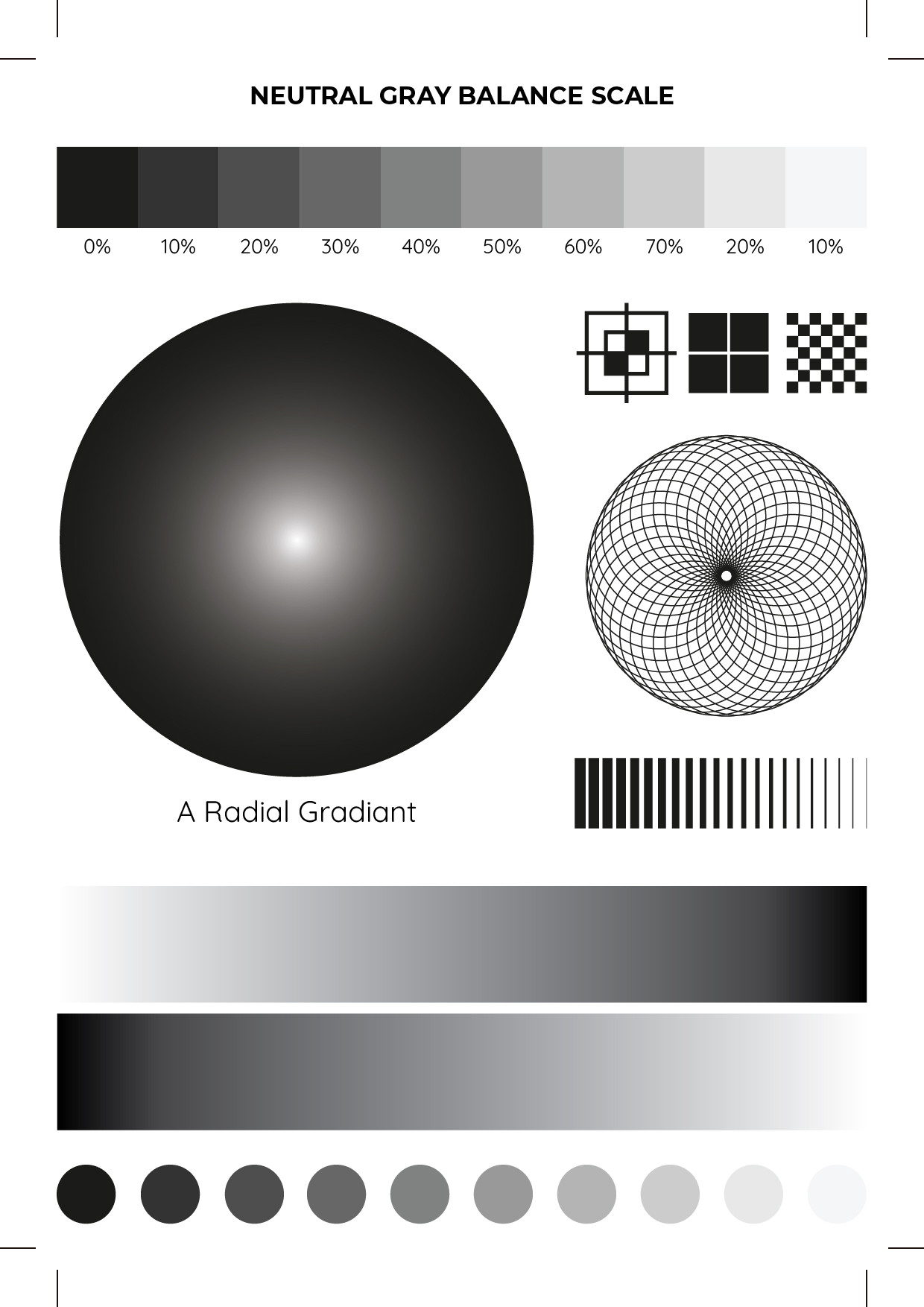
 Neutral Gray Balance Scale
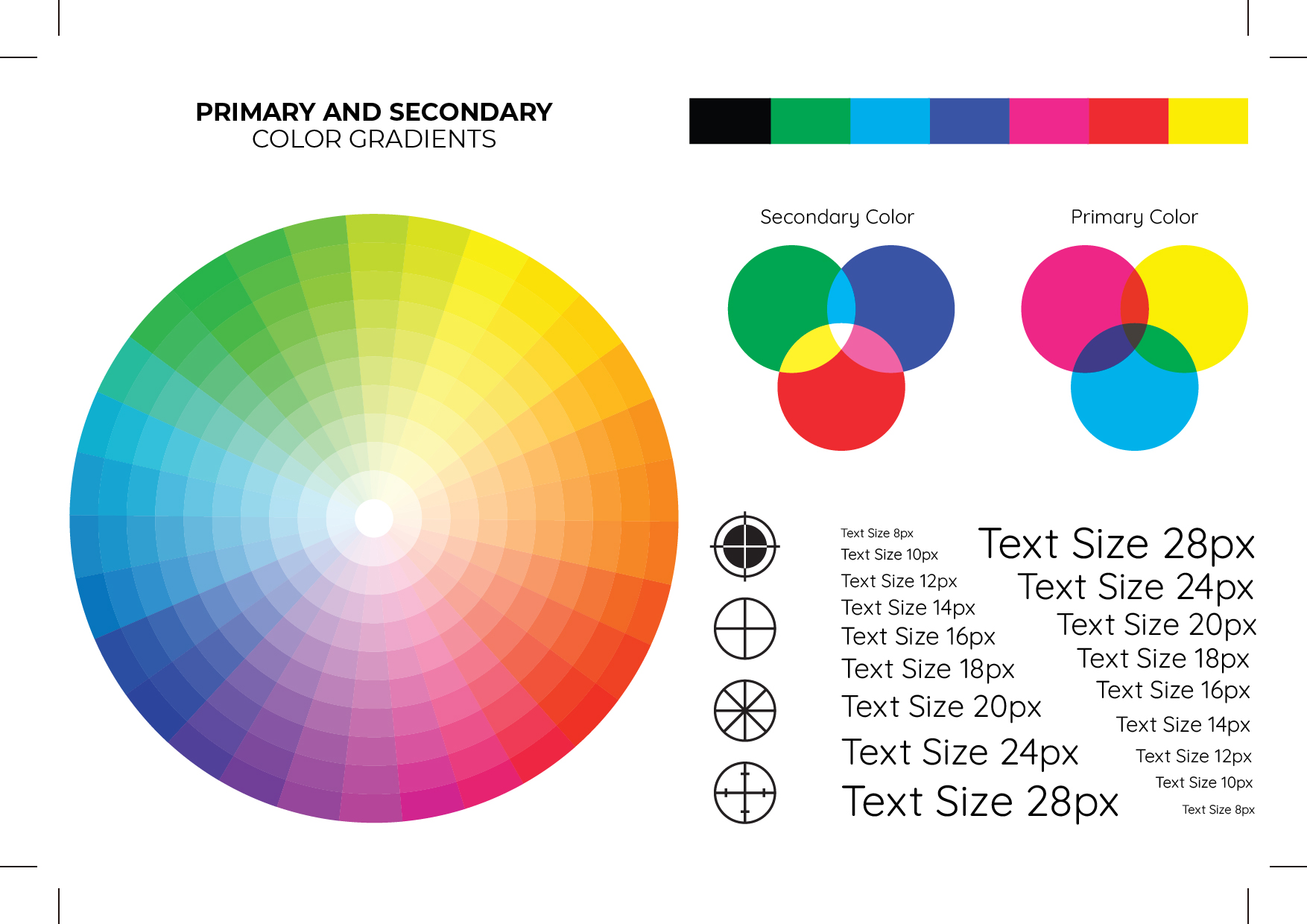
 Primary and Secondary Color Gradients
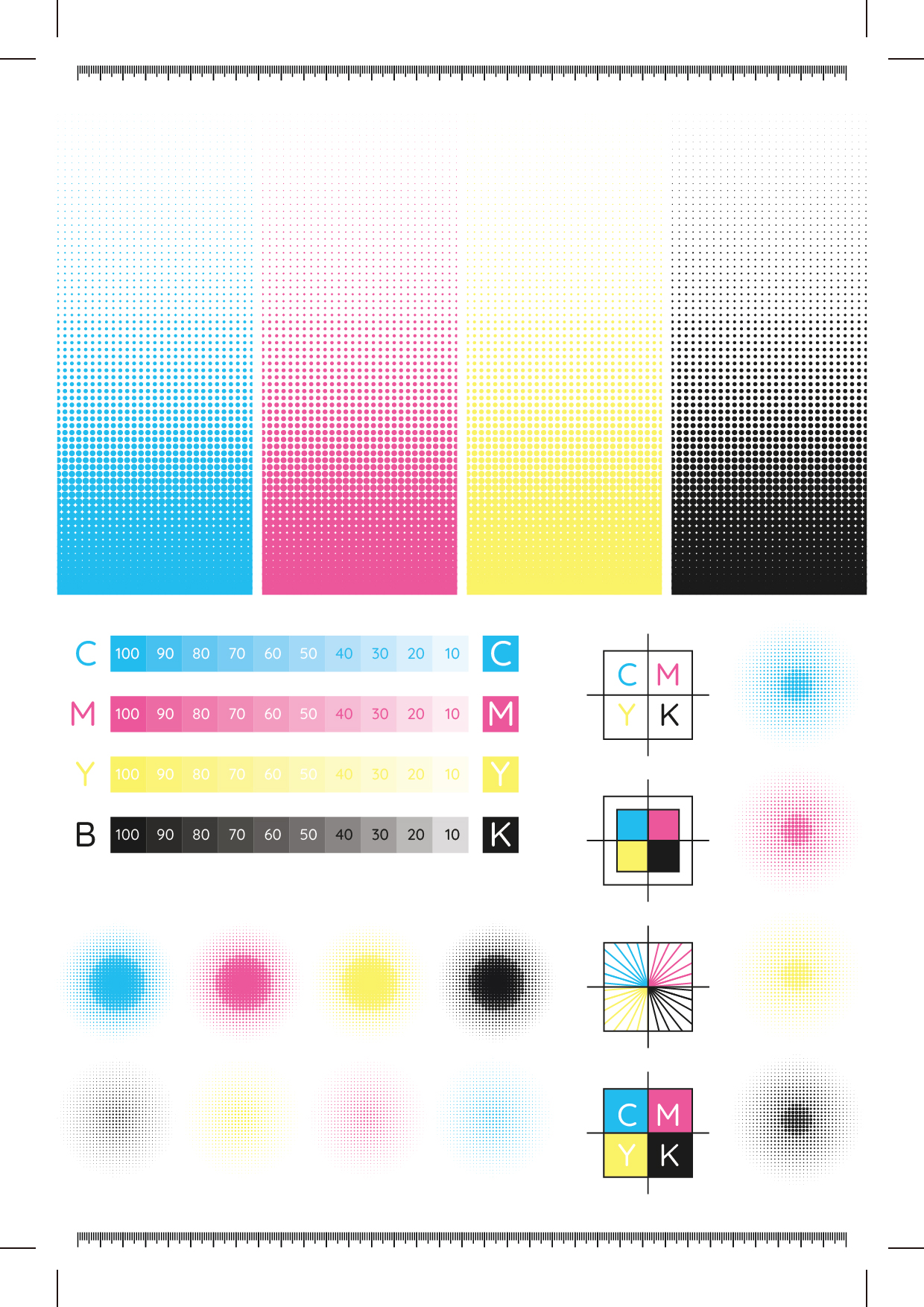
 Halftone Screen Tint Strips
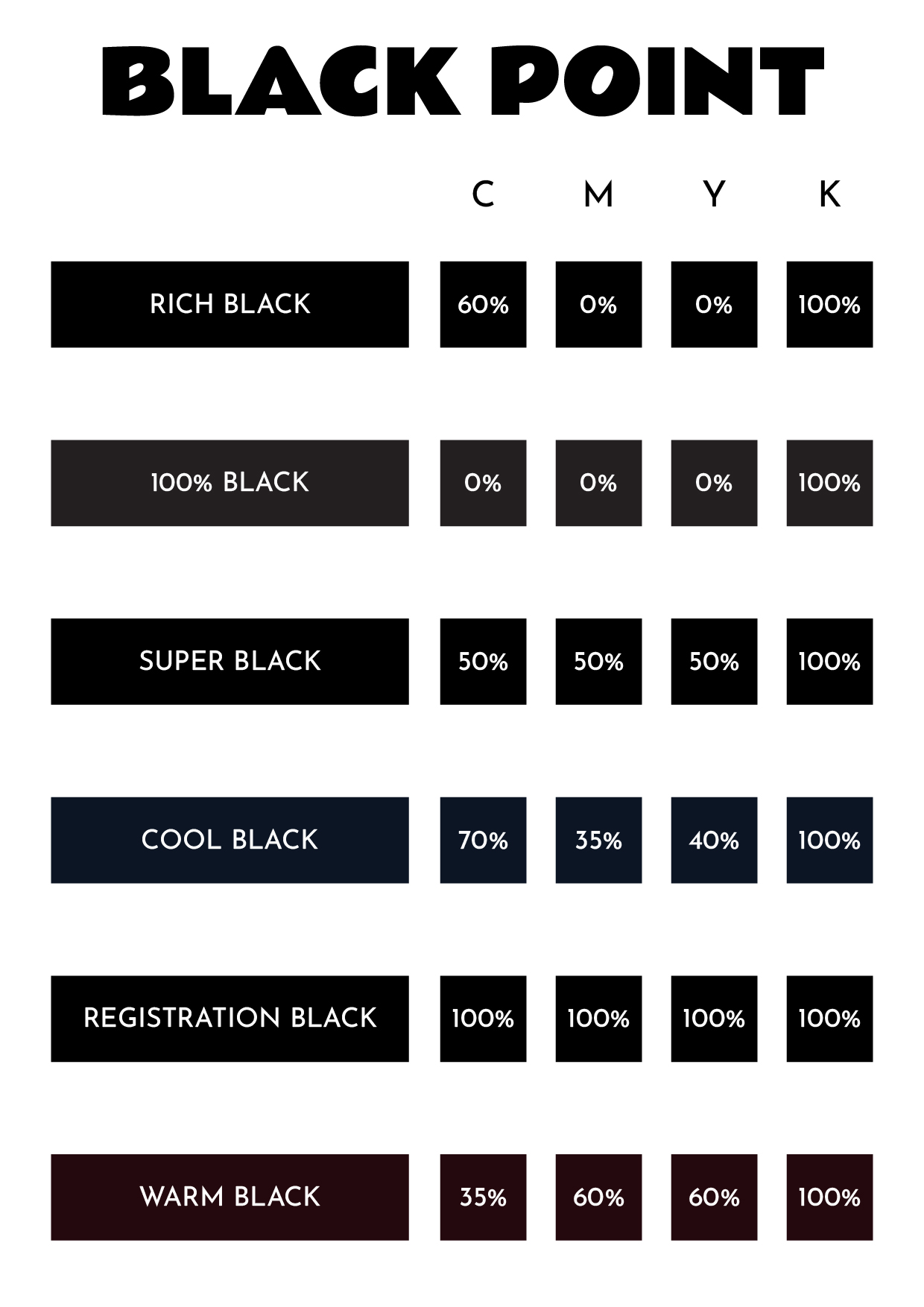
 Black Point and Rich Black Density Scale
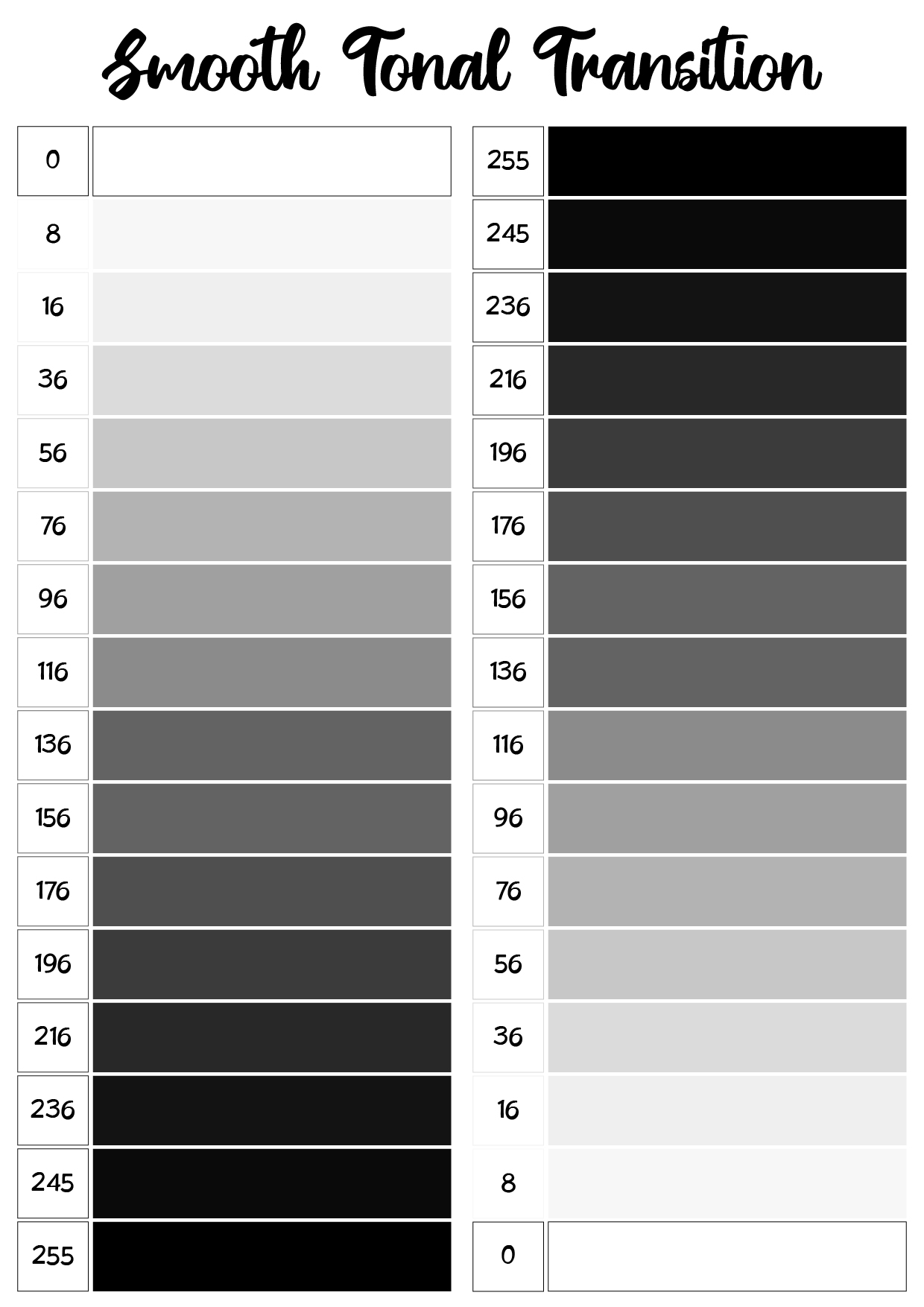
 Smooth Tonal Transition Ramps
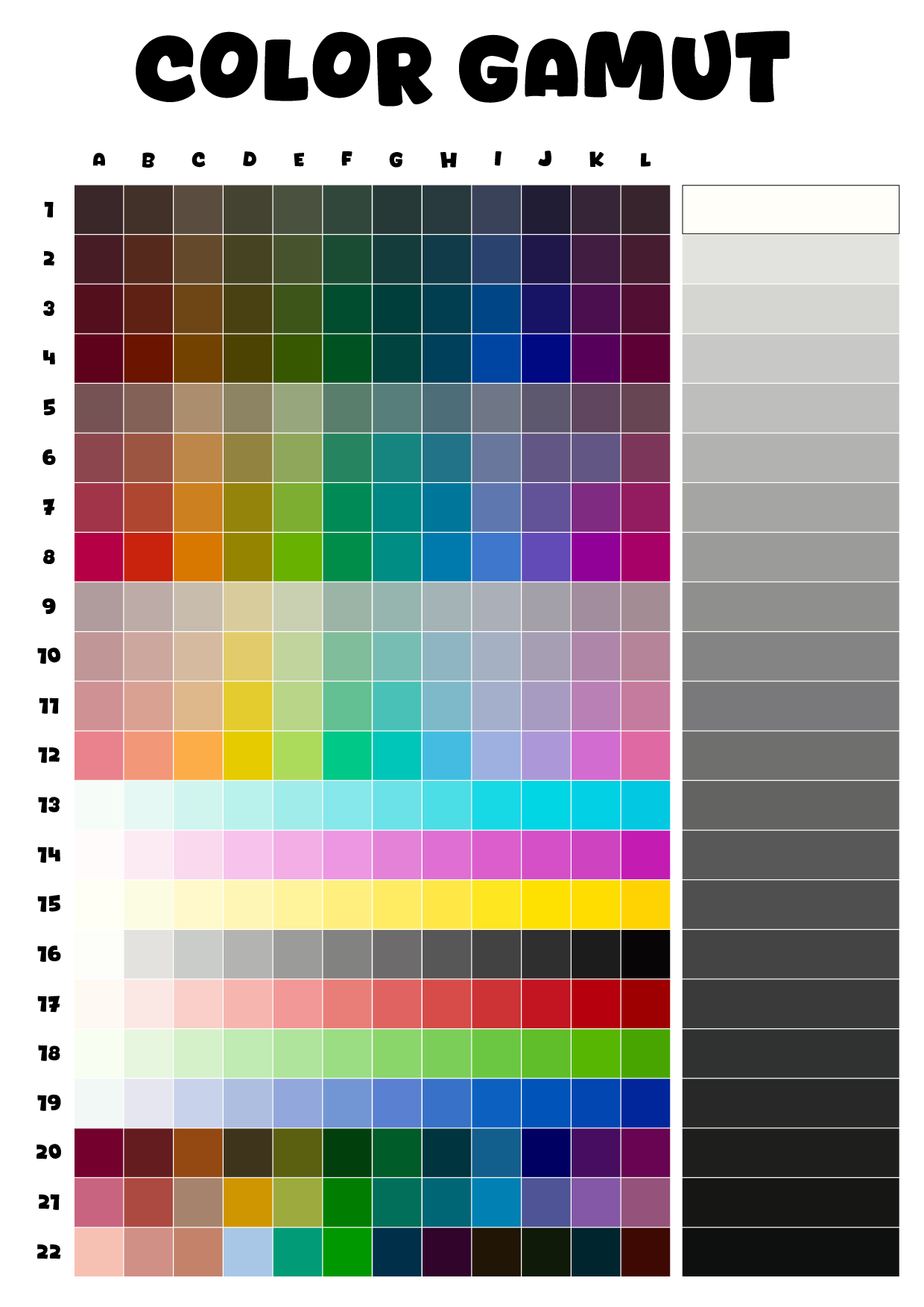
 Color Gamut Mapping Target
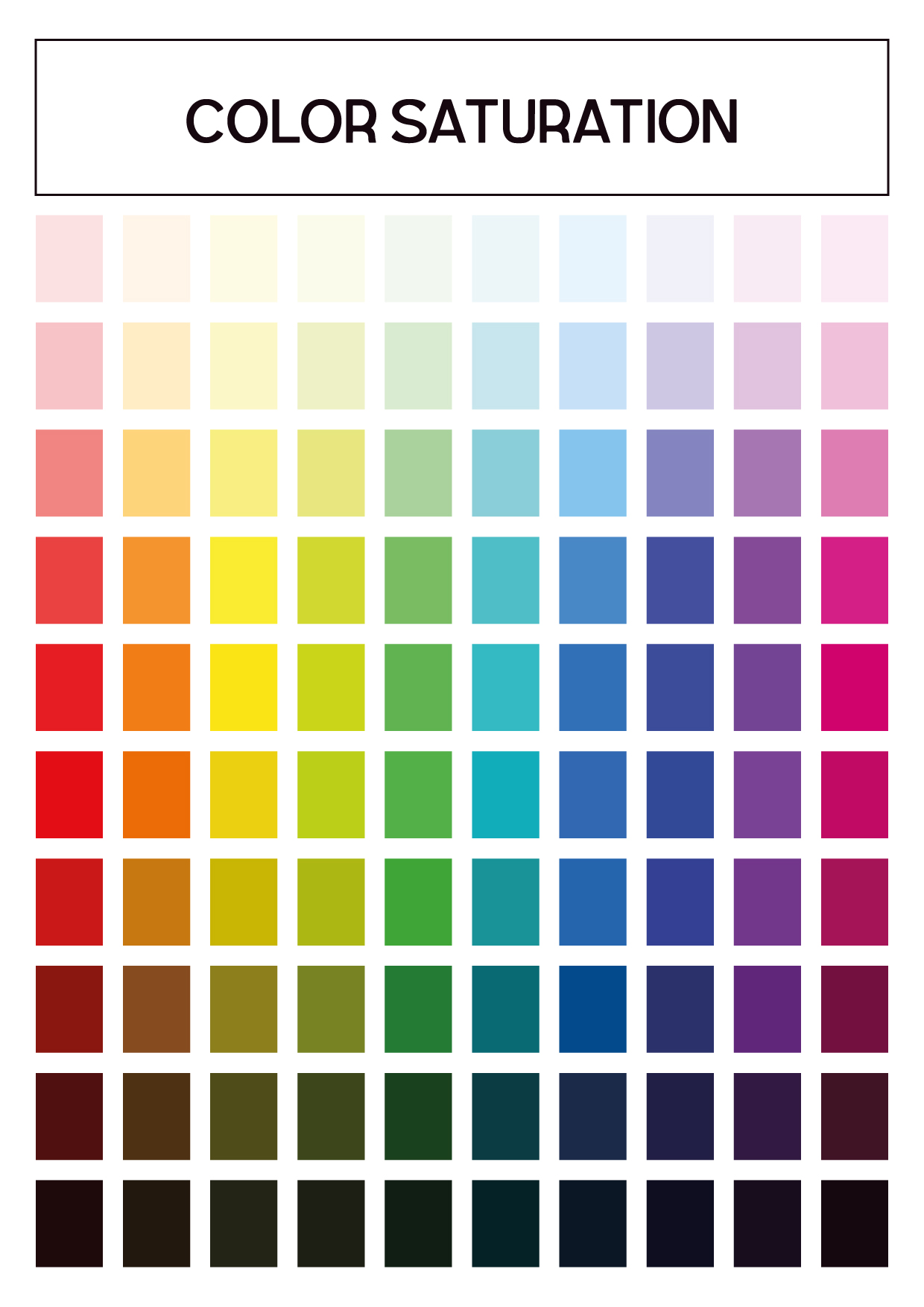
 Vector-Based Color Saturation Charts
Regular hardware calibration guarantees precise image saturation and contrast. If you notice streaking or ghosting, follow these quick troubleshooting steps:
Keep your inkjet or laser printer in peak condition by integrating these routine visual checks. Proactive upkeep prevents mechanical wear and ensures optimal, high-resolution print accuracy every time.
When running a diagnostic printer test page, evaluating the CMYK color bars (Cyan, Magenta, Yellow, and Key/Black) is crucial for maintaining optimal print quality. These specific test patterns allow users to accurately assess ink density and verify overall color accuracy across the printed sheet.
If you observe visual defects such as banding, fading, or smudging within the color blocks, it typically signals a problem with your toner cartridges or clogged inkjet nozzles. Performing routine printer maintenance—including a printhead cleaning and automated calibration cycle—can quickly resolve these issues. Proper color alignment ensures overlapping hues blend seamlessly without ghosting or blurring. Regularly printing a test sheet prevents hardware malfunctions and guarantees crisp, high-resolution document output.
Gradient scales on a printer test page are essential diagnostic tools for evaluating overall print quality. These seamless color transitions, typically displayed in grayscale and CMYK, reveal exactly how well your machine handles shading and tone smoothness.
When ink cartridges or toner deplete, or printhead nozzles become clogged, gradient scales quickly expose banding artifacts—unwanted horizontal or vertical lines that disrupt the color blend. Identifying these printing errors early helps you determine if routine printer maintenance, such as a printhead cleaning, nozzle check, or color calibration, is necessary.
Running regular diagnostic print tests ensures optimal ink flow and high-resolution output. By monitoring these gradient shifts, you can effectively prevent severe streaking, guarantee accurate contrast, and maintain professional-grade printing performance for all your documents and photos.
A standard printer test page often features a color wheel to assess your machine's color accuracy and overall print quality. By analyzing this diagnostic tool, you can precisely evaluate the exact hue and saturation levels produced by your CMYK ink cartridges or toner.
The visible color spectrum helps identify the maximum print gamut your device can achieve. During routine printer maintenance, inspect the color wheel for smooth gradients and vibrant transitions. If you notice color banding, faded tones, or inaccurate blending, it may indicate clogged nozzles requiring an immediate printhead cleaning cycle.
Calibrating your printer using these diagnostic test patterns ensures optimal color reproduction. Regular evaluation of the color gamut guarantees that your physical prints match your digital display, preventing frustrating color shifts and saving valuable ink.
Digital monitors display vibrant images using RGB (Red, Green, Blue) light, while physical documents rely on CMYK (Cyan, Magenta, Yellow, Key/Black) ink or toner. This fundamental difference often causes frustrating color shifts, making digital art look dull or inaccurate on paper.
Routine printer calibration bridges this gap, ensuring precise color accuracy and optimal print quality. By routinely running a standard printer test page, you can instantly evaluate your device's color gamut, monitor ink cartridge depletion, and verify proper printhead alignment.
Consistent printer maintenance is essential. Printing a color diagnostic test page and updating your ICC profiles synchronizes your monitor calibration with your CMYK output. This simple diagnostic step prevents wasted consumables and guarantees true-to-screen, high-resolution prints every time.
Regular printer maintenance begins with evaluating your print quality. Follow these steps to generate and review a diagnostic test page:
Routinely analyzing these test patterns prevents paper jams, reduces ink waste, and ensures crisp, professional documents while extending your printer's lifespan.
Running a printer test page is the essential first step in effective printer maintenance and diagnostic troubleshooting. When you print a test sheet, examine it closely for common print quality issues like banding, streaking, or faded text.
If you notice missing colors or horizontal lines, you likely have a clogged printhead or blocked ink nozzles. Running a standard cleaning cycle usually resolves this. Faint prints often point to low ink levels or a depleted toner cartridge, signaling it is time for a replacement. Furthermore, uneven margins or blurry text suggest poor alignment, requiring an immediate printhead calibration.
By routinely analyzing your color diagnostic page, you can proactively address smudges and blank pages, ensuring optimal printer performance and extending your hardware's lifespan.
Achieving vibrant color reproduction starts with understanding the relationship between your chosen paper type and ICC profiles. During routine printer maintenance, printing a diagnostic printer test page reveals how ink absorption varies across glossy, matte, or uncoated stock. These media variations directly affect your printer's color gamut and print contrast.
To ensure precise color accuracy, you must pair your media with the correct ICC profile. This digital profile acts as a calibration translator, adjusting the CMYK ink mixture to match the specific photo paper used. Without it, even with perfect printhead alignment, your prints may appear washed out or incorrectly tinted.
Always run a color calibration test print when switching media. Matching paper types with their specific ICC profiles optimizes ink delivery, prevents bleeding, and guarantees professional-grade color fidelity during your regular maintenance cycle.
Maintaining optimal print quality requires consistent printer maintenance. But exactly how often should you print a color test page? To prevent clogged nozzles and dried-out ink cartridges, experts recommend running a printer diagnostic sheet at least once every two weeks.
If you notice streaks, faded text, or banding, immediately initiate a nozzle check and printhead cleaning cycle. Printing a routine CMYK test print guarantees your toner or inkjet mechanism is calibrated correctly.
Proactive device calibration extends hardware lifespan, prevents wasted ink, and ensures crisp, vibrant documents.
Routine printer maintenance requires the right diagnostic tools. Finding free high-resolution printer calibration images is essential for evaluating color accuracy and overall print quality. Whether you operate an inkjet or laser device, outputting a standard test print helps diagnose alignment issues before wasting expensive toner or ink cartridges.
Utilize these high-res graphics to perform a comprehensive nozzle check and verify CMYK and RGB color management. Dedicated photography and tech websites offer exceptional, royalty-free test pages perfect for assessing photo printing resolution, contrast, and gradient transitions. Regularly running a color test chart ensures optimal printhead performance, helps clear clogged nozzles, and prevents ink banding.
Integrate these free evaluation resources into your routine hardware care schedule to keep your printer producing sharp, professional-grade documents and photos every time.










Have something to tell us?
Recent Comments