How to Play a Memory Game?
As one of the most common children’s games to play in the world, the rules of memory games are pretty simple and straightforward.
-
First, prepare the stack of cards and spread them on a surface with the front faces down. Usually, the card will have a picture or photo on the front side. Each card should have a pair for it to be played.
-
Second, the host will ask the player to sit around the spread cards or in front of it.
-
Then, each player will have their turn to open two cards. If they got a pair of the same card, they could take them out. But if the cards are different, they should turn the cards face down again.
-
As the game progresses, the player will track the position of each opened card. When they memorize the placement, they can open the same pair. Hence, this game is called a memory game.
-
The winner is the player who got the most cards at the end of the game.
How Many Types of Memory Games are There?
Memory Game is a game that has been around for a long time. Hence, it is not surprising that there are various types of it. As time progresses, people are getting more creative in making their variants. One of the reasons why memory games keep evolving is because it is proven to be a method to create astonishing cognitive improvement, either for children in the age of growing or for elderly people who are slowly facing memory challenges.
Here are some types of memory games that can be played:
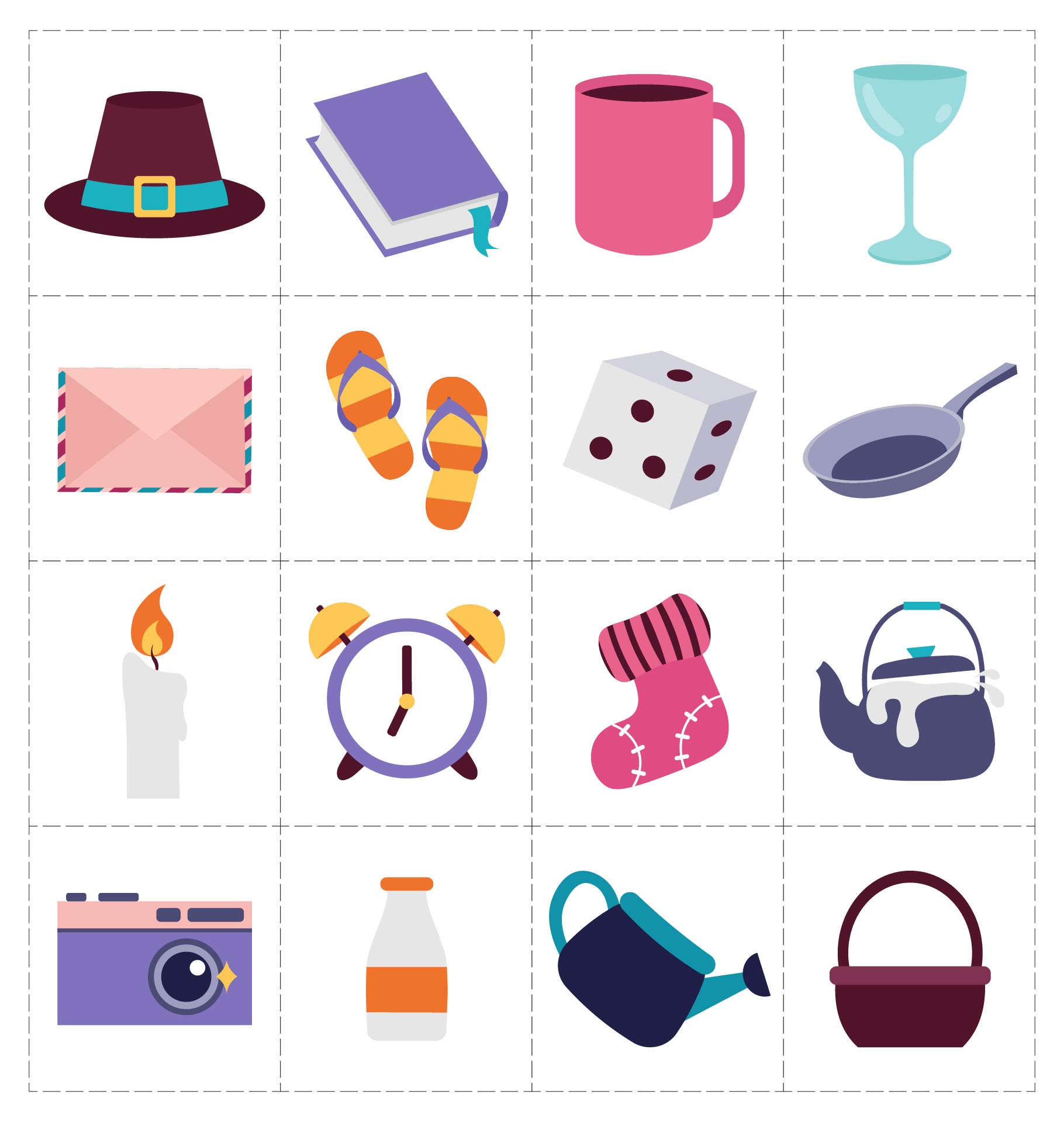
- The Basic Picture Memory Game: It is the most common type of memory game, where each card has a pair with the same picture.
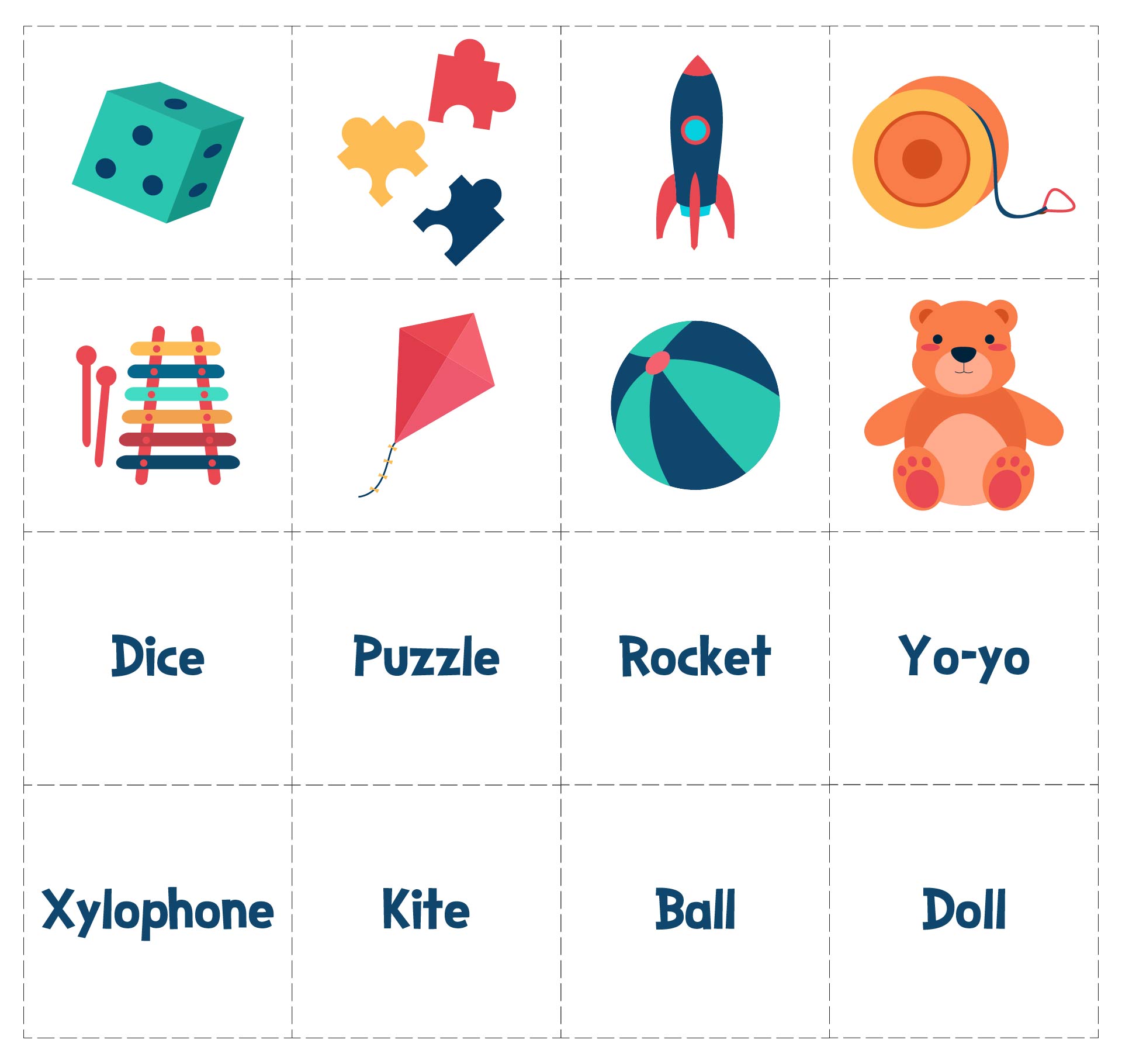
- The Word Memory Game: It is similar to the basic memory game, but instead of pictures, the card only has words on it. This type of game is perfect for children who are learning vocabulary.
- The Matching Memory Game: This type of game is a mix of the first and the second types. So, the pair is not an exact same-looking card, but it can be word-picture, word-word in a different language, or picture-picture in a specialized category (example: tree and its fruit, country and its capital city, and more). This type of memory game can be played by students in higher classes or by adults to fill their leisure time.
- The Specific-Themed Memory Game: It can be in any form of the previous three memory games, but it has a specific theme. For example, Thanksgiving Memory Game, Christmas Memory Game, Spring Memory Game, and more.
Who can Play Memory Game?
Anyone can play the memory game! It is a flexible game that can be played everywhere by everyone, as long as you have the game cards. But the main target of this activity is young children and the elderly.
For young kids, the memory game can help them in building cognitive abilities such as improving fine motoric skill, boosting visual perception and memory, enhancing focus ability, and more.
Why Playing Memory Games is Important for Young Children?
Many researchers have proven that memory games, in fact, have various benefits for young children. The fun game can effectively support the children’s cognitive skills. Here are some perks that the young kids could get from playing a memory game:
- Improving recall ability as the results of repeated practice. This practice will also help the kids understand multi-step tasks and instructions.
- Boosting concentration skills because memory games require a lot of focus.
- Enhancing faster processing speed through regularly playing memory games.
- Preparing a firmer foundation for the upcoming academic activity.
- The playful and engaging game activity can help the kids develop a healthy brain.
- Playing memory games requires patience, hence it will help the young kids in practicing their social and emotional growth.
Can Teachers Use the Worksheet Printable Memory Game in the Classroom?
Absolutely! Teachers can incorporate these memory game templates to use as learning tools in the classroom. The versatility of these templates allows teachers to use them on various subjects or class levels. In early grades, the memory game can help students improve their cognitive skills in various areas. Meanwhile, for the higher-class students, the memory game is a perfect, fun, and engaging tool for icebreakers. 
 Worksheets Memory Game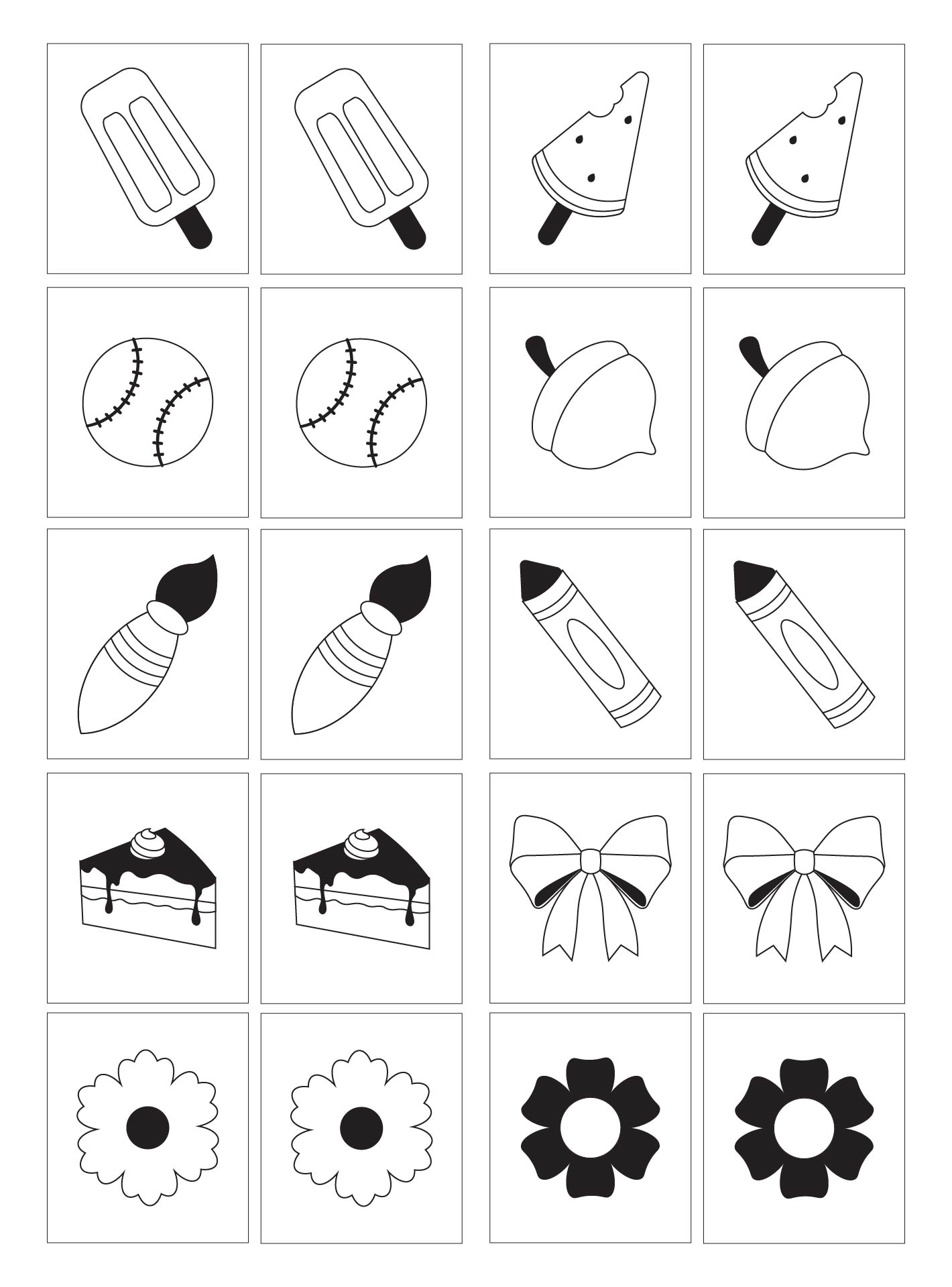
 Black And White Memory Game Printable
 Object Memory Game For Adults
 Toys Vocabulary Memory Game
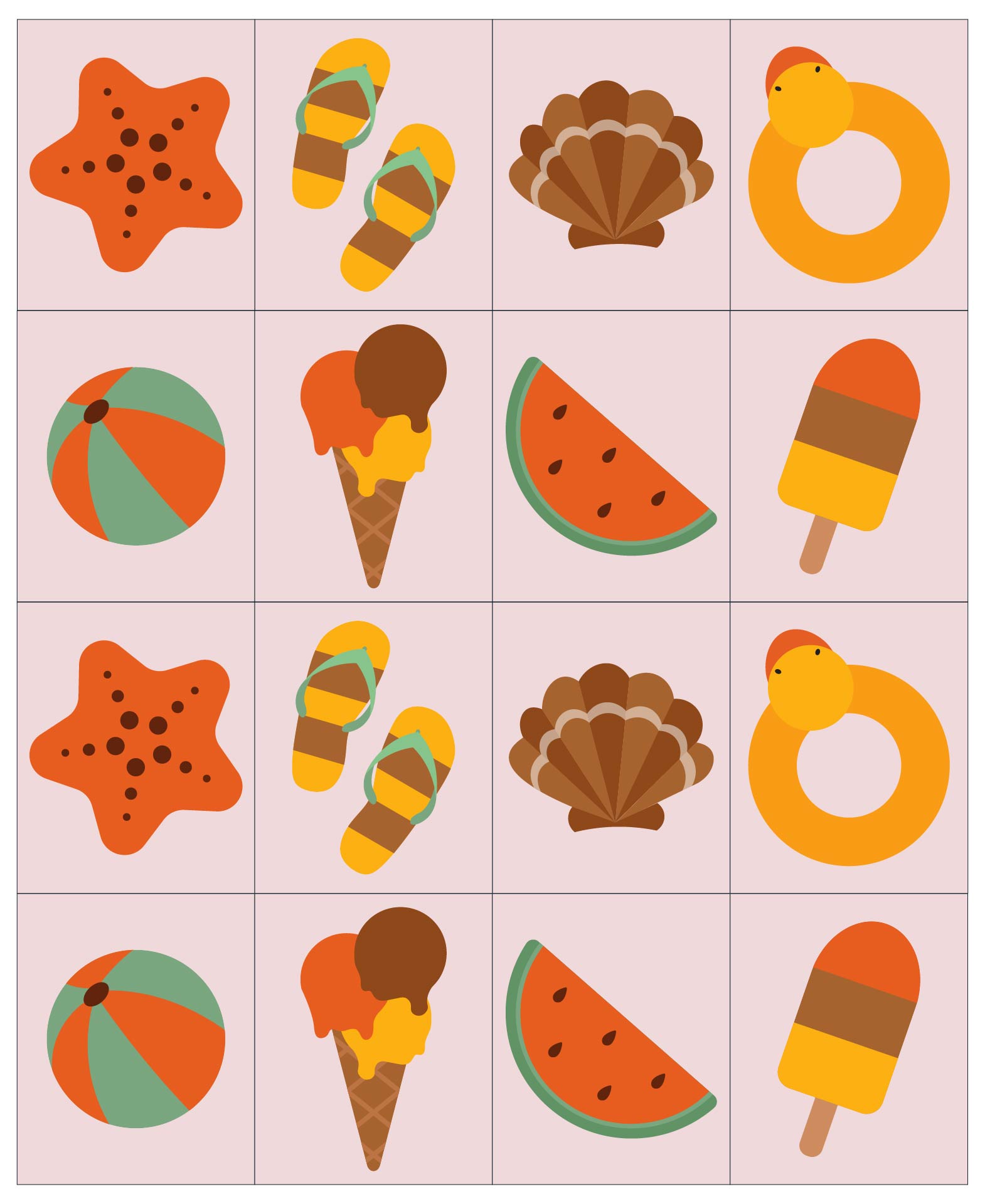
 Summer Memory Game Cards For Kids
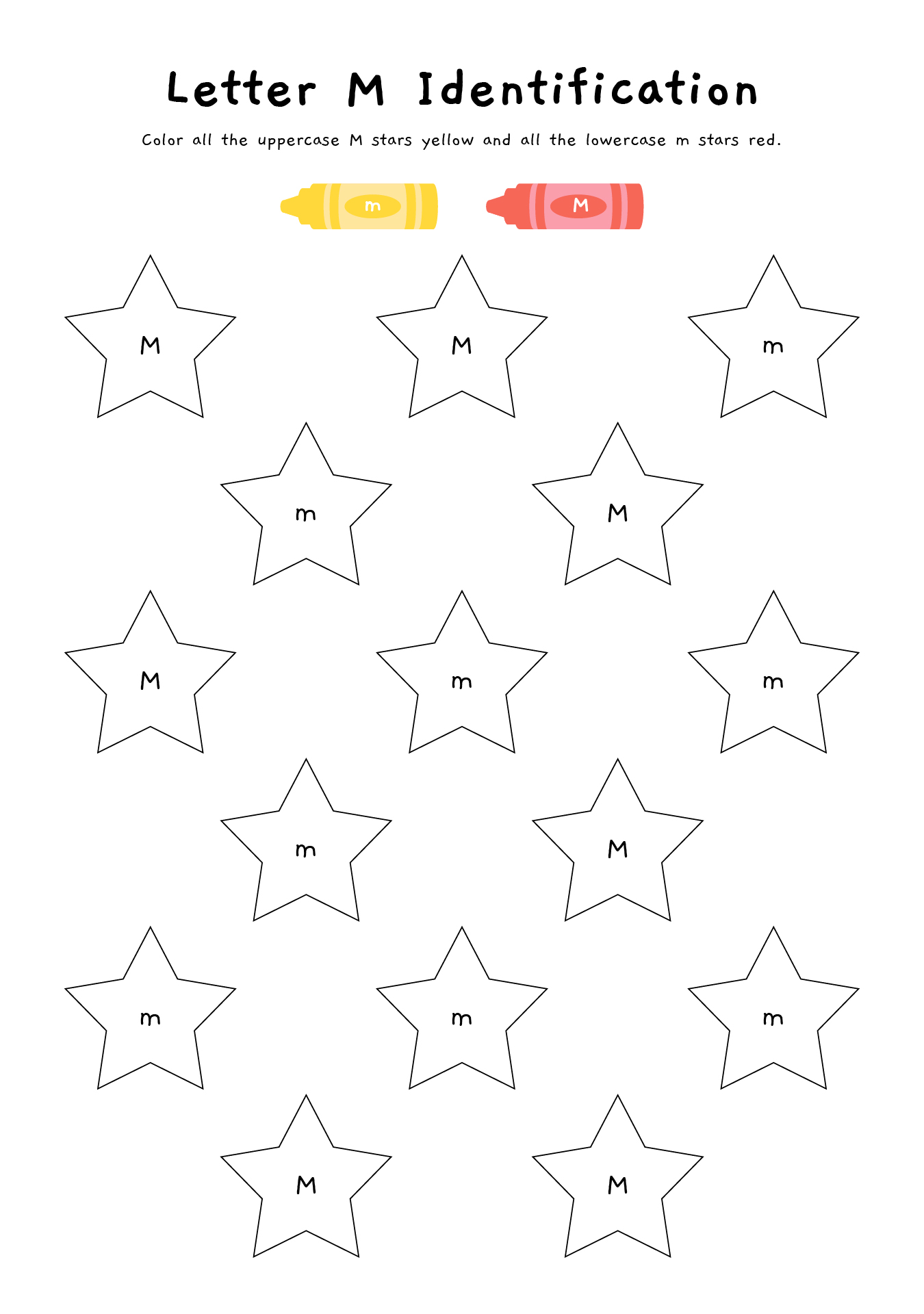
 Letter M Memory Game Worksheet
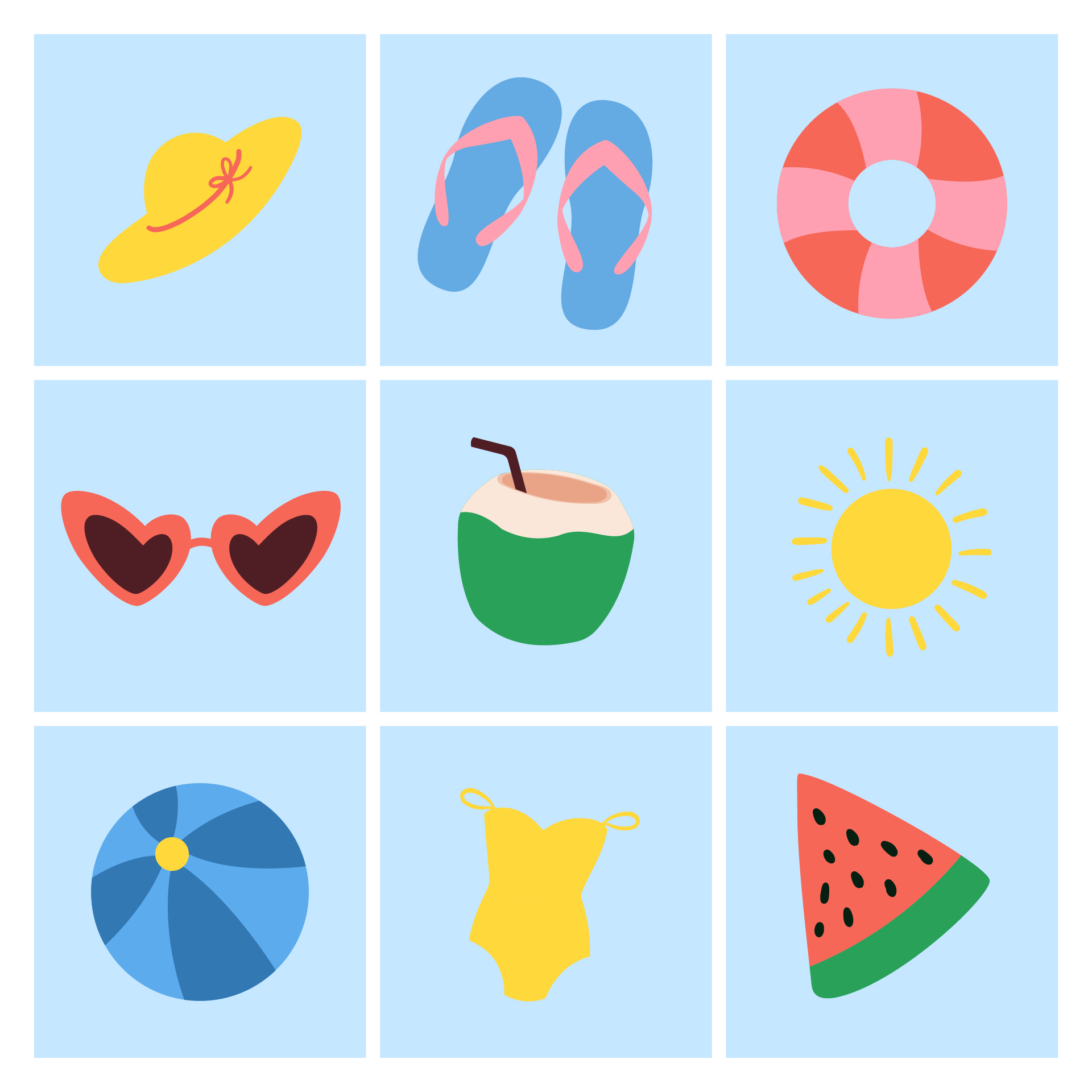
 Printable Vacation Memory Game
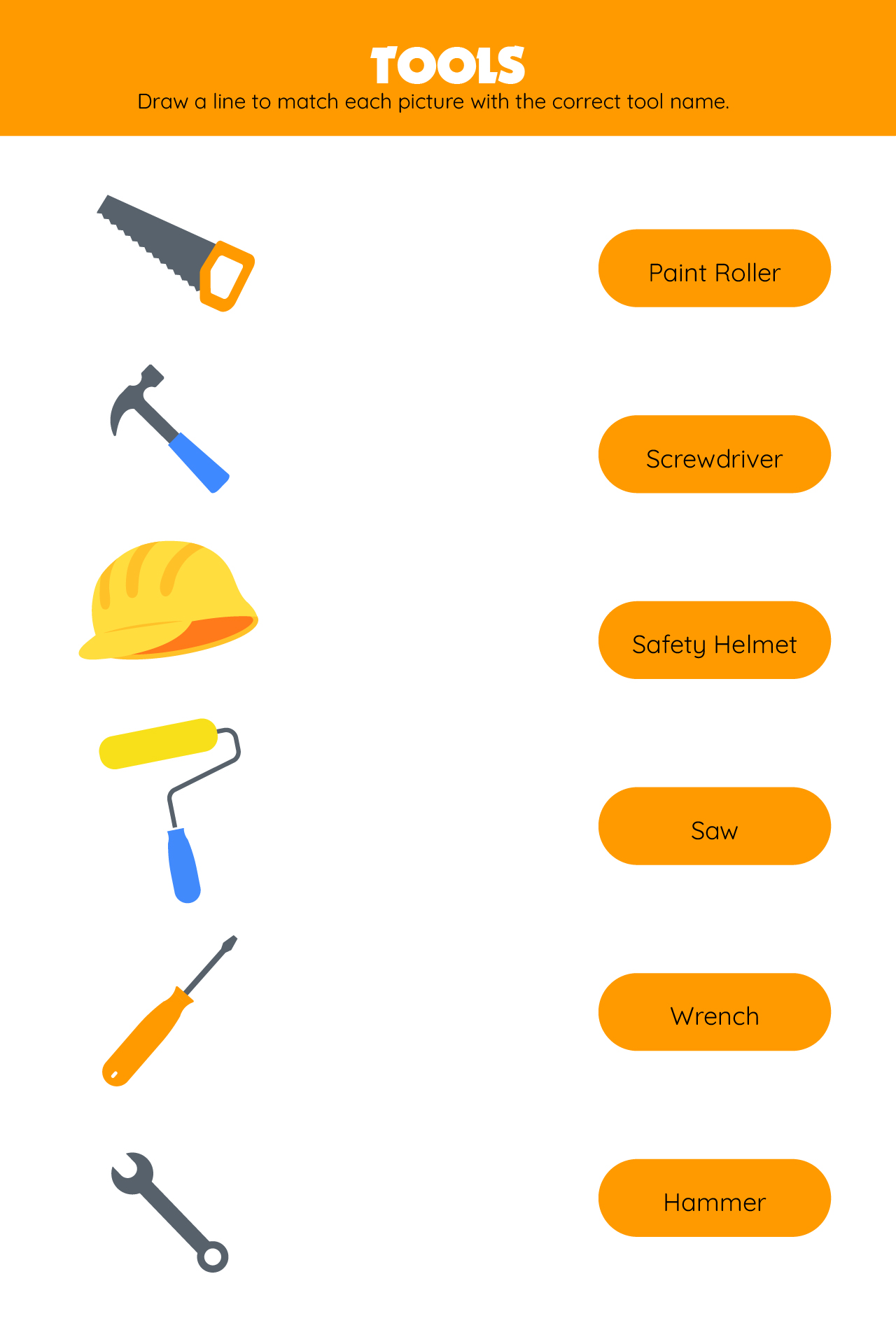
 Printable Tool Matching Game Vocabulary
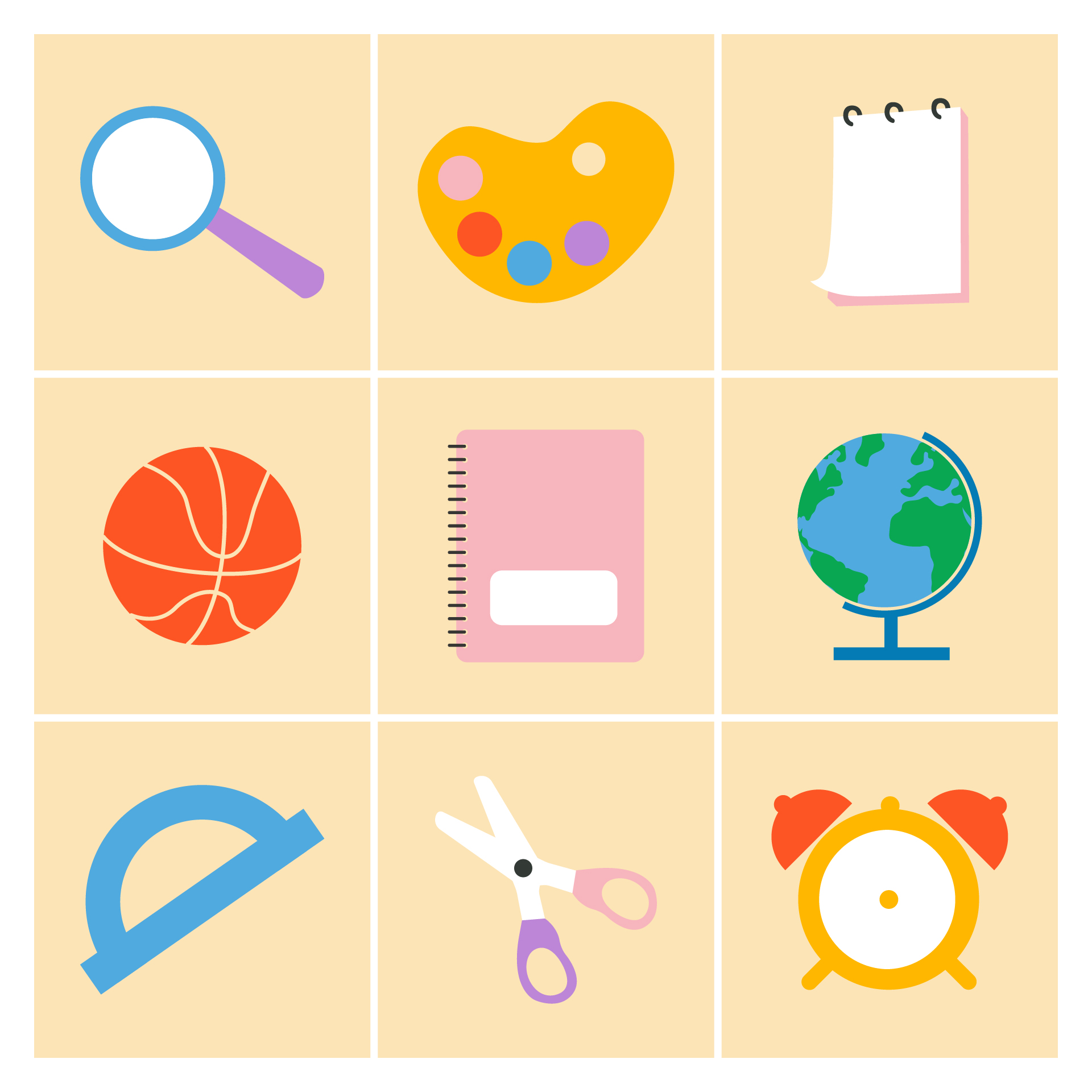
 Back To School Memory Matching Game
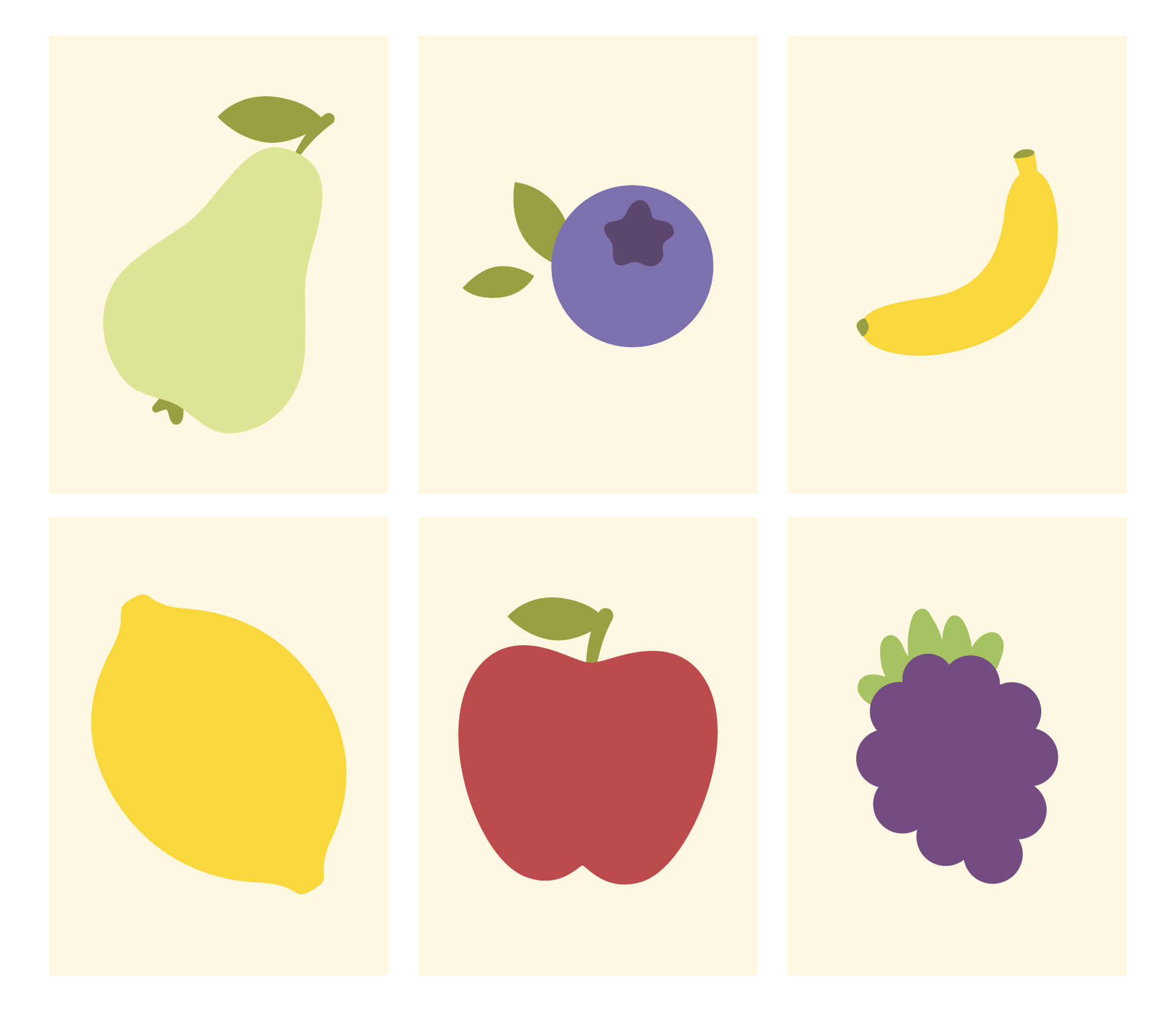
 Fruit Memory Game Card For Kids
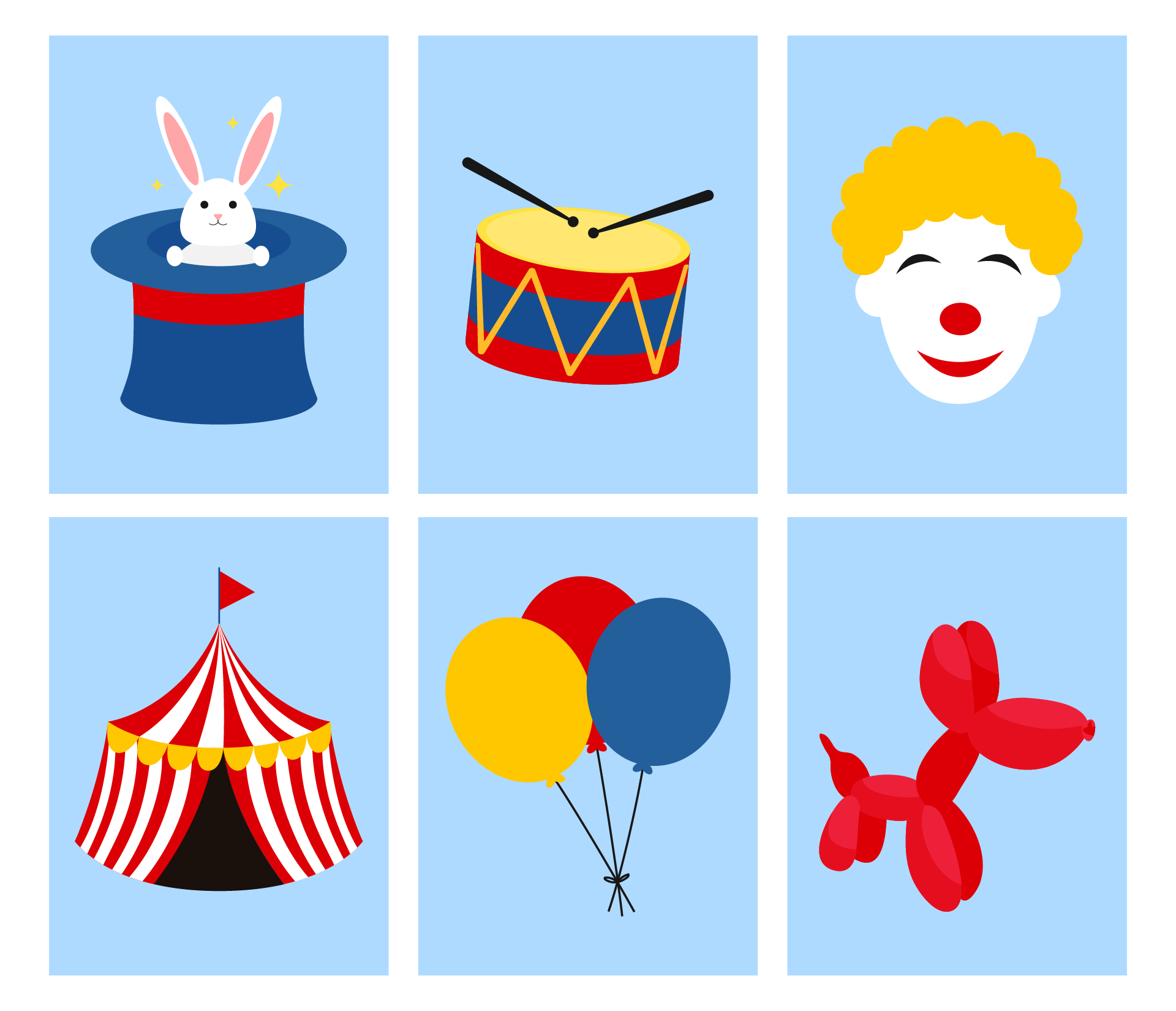
 Fun Circus Memory Game
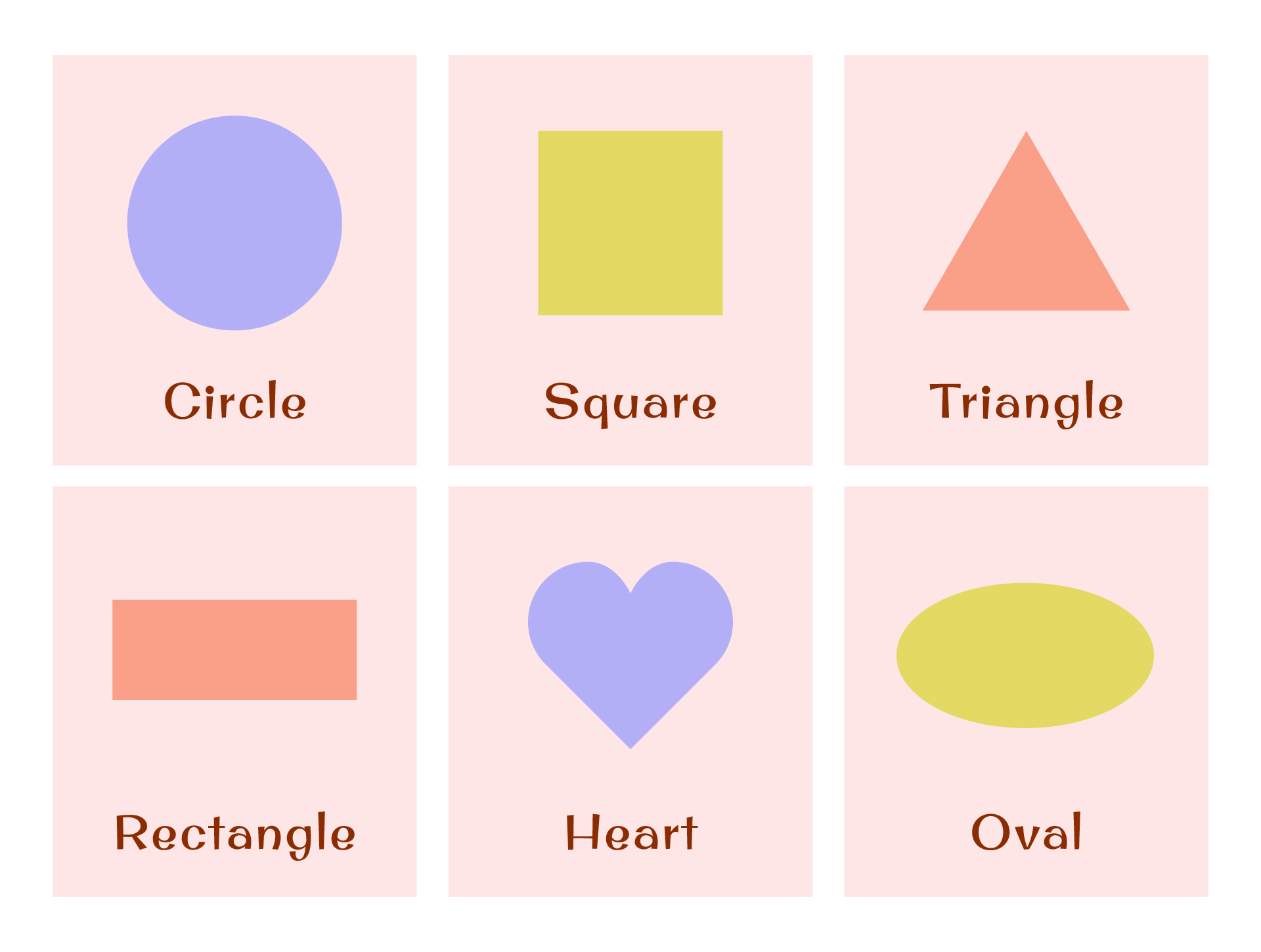
 Shapes Matching Memory Game
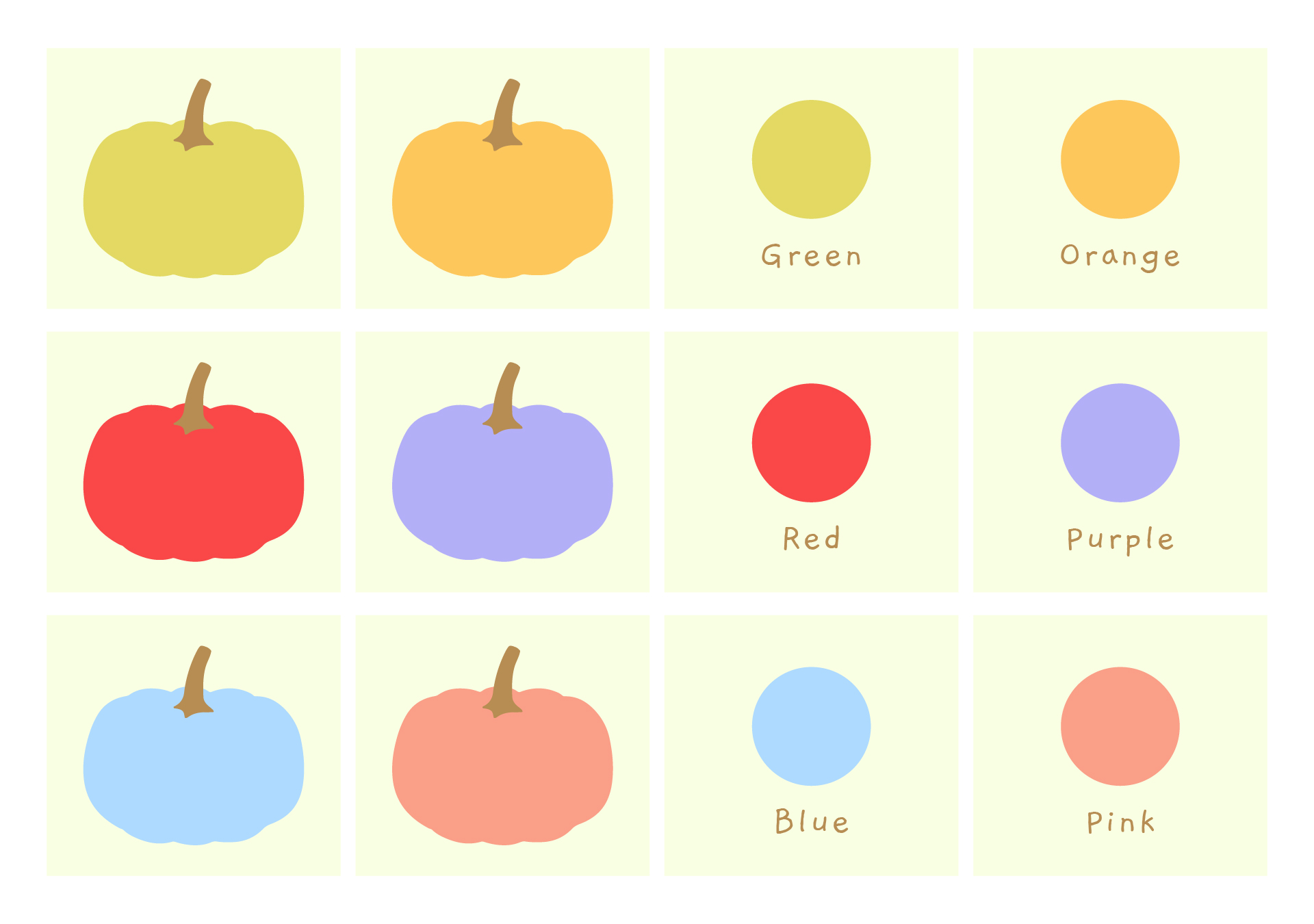
 Preschool Pumpkin Matching Activity
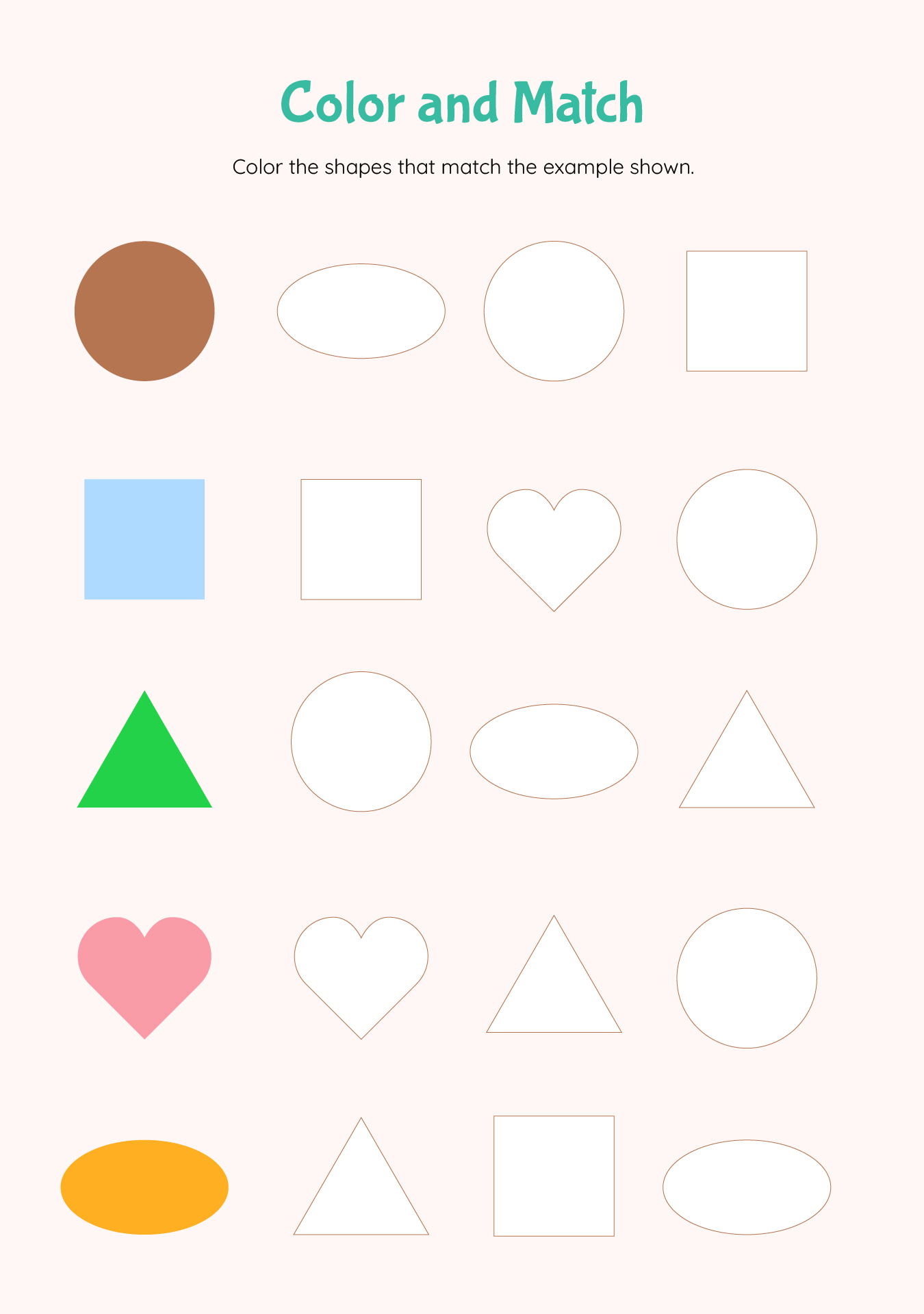
 Color And Shape Matching For Kids
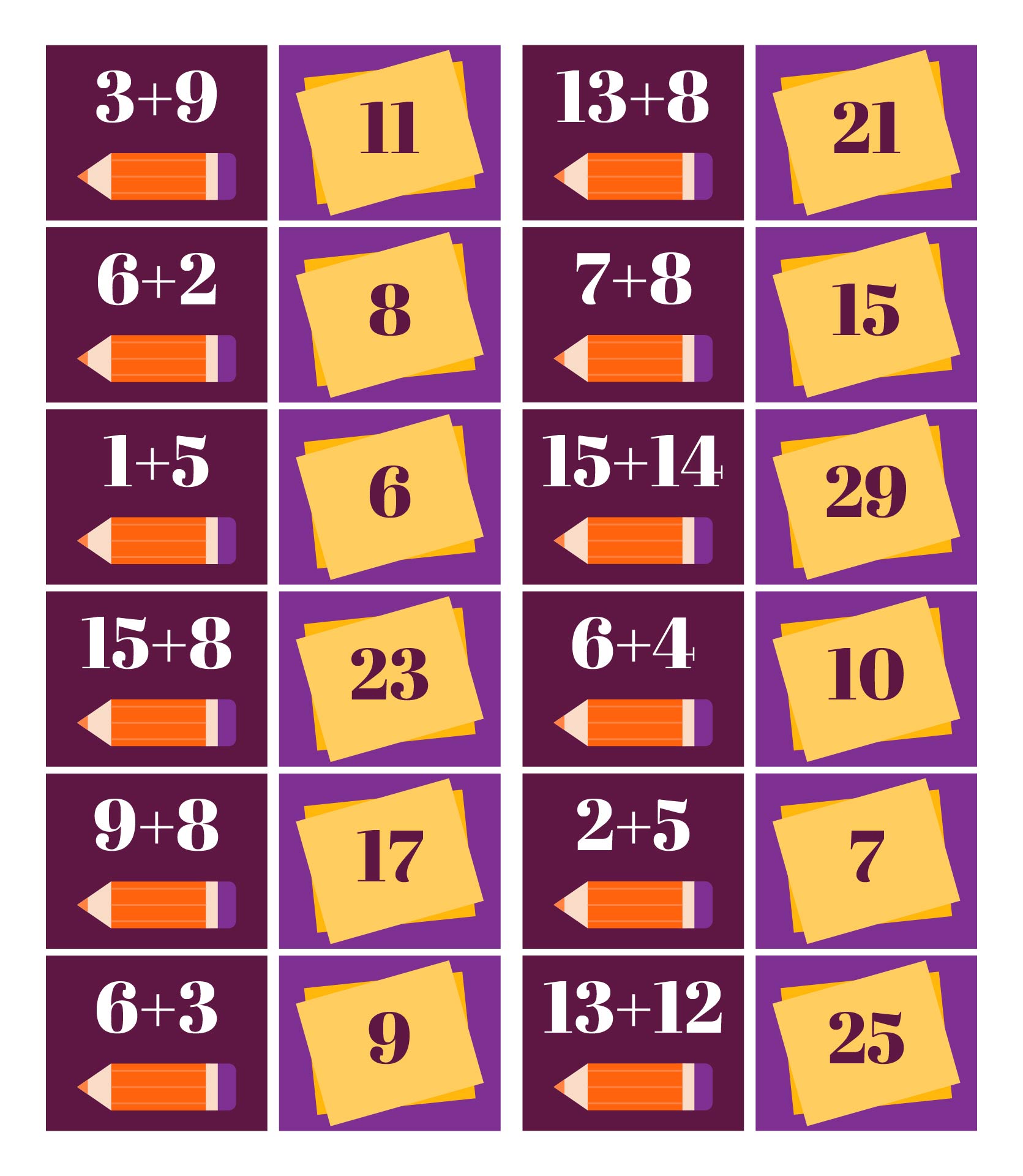
 Addition Concentration Memory Game
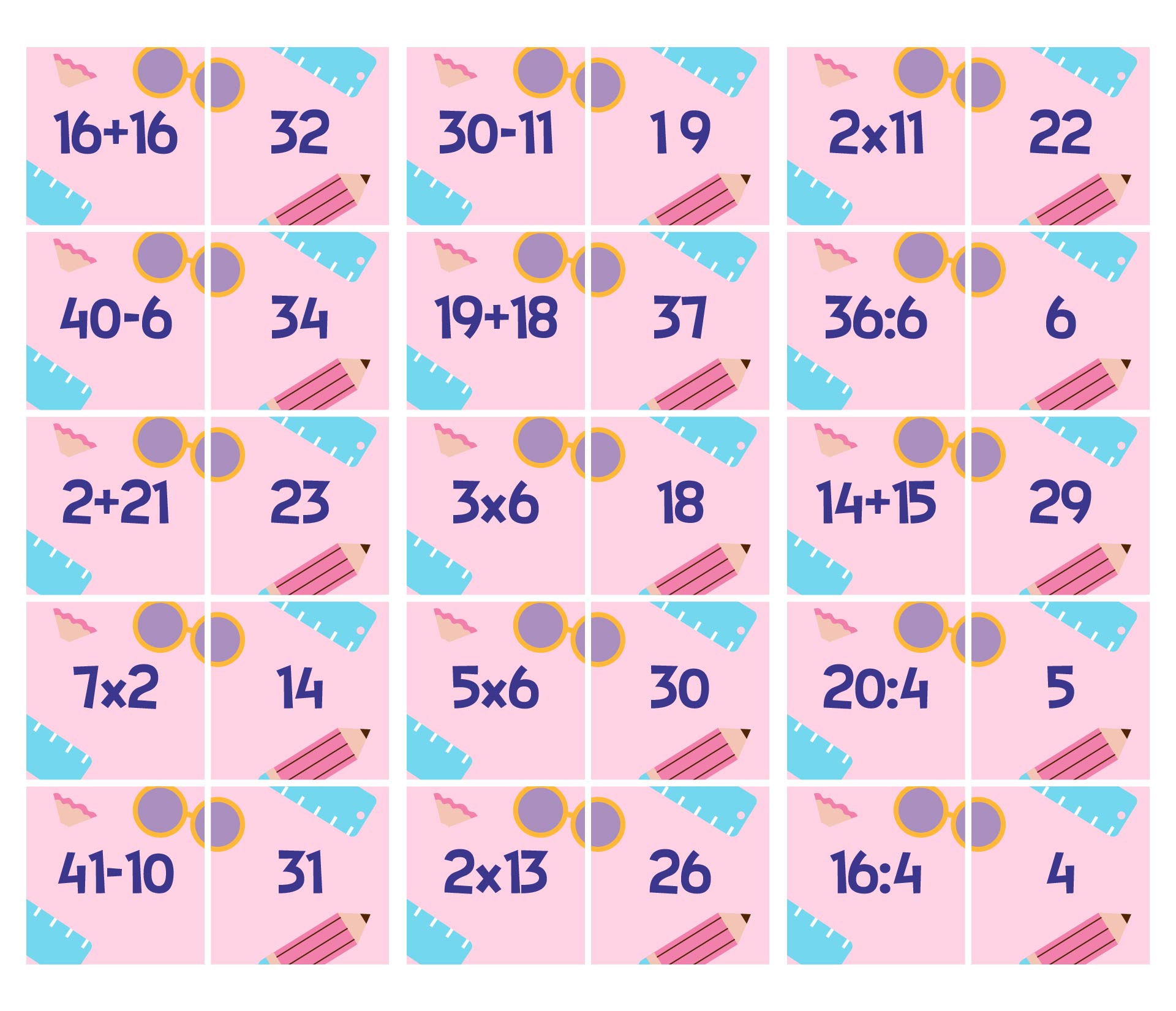
 Math Memory Games
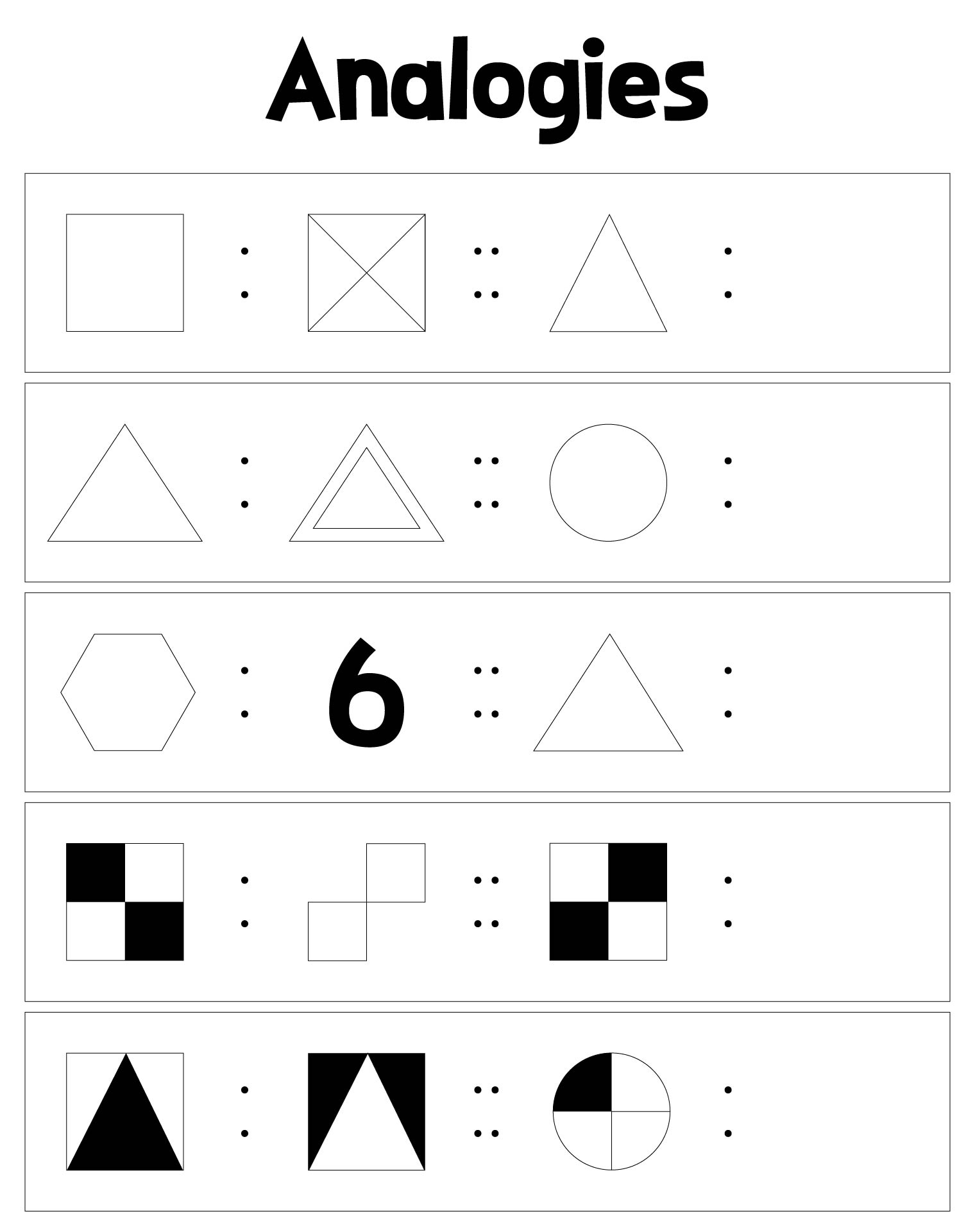
 Brain Games Worksheet For Kids
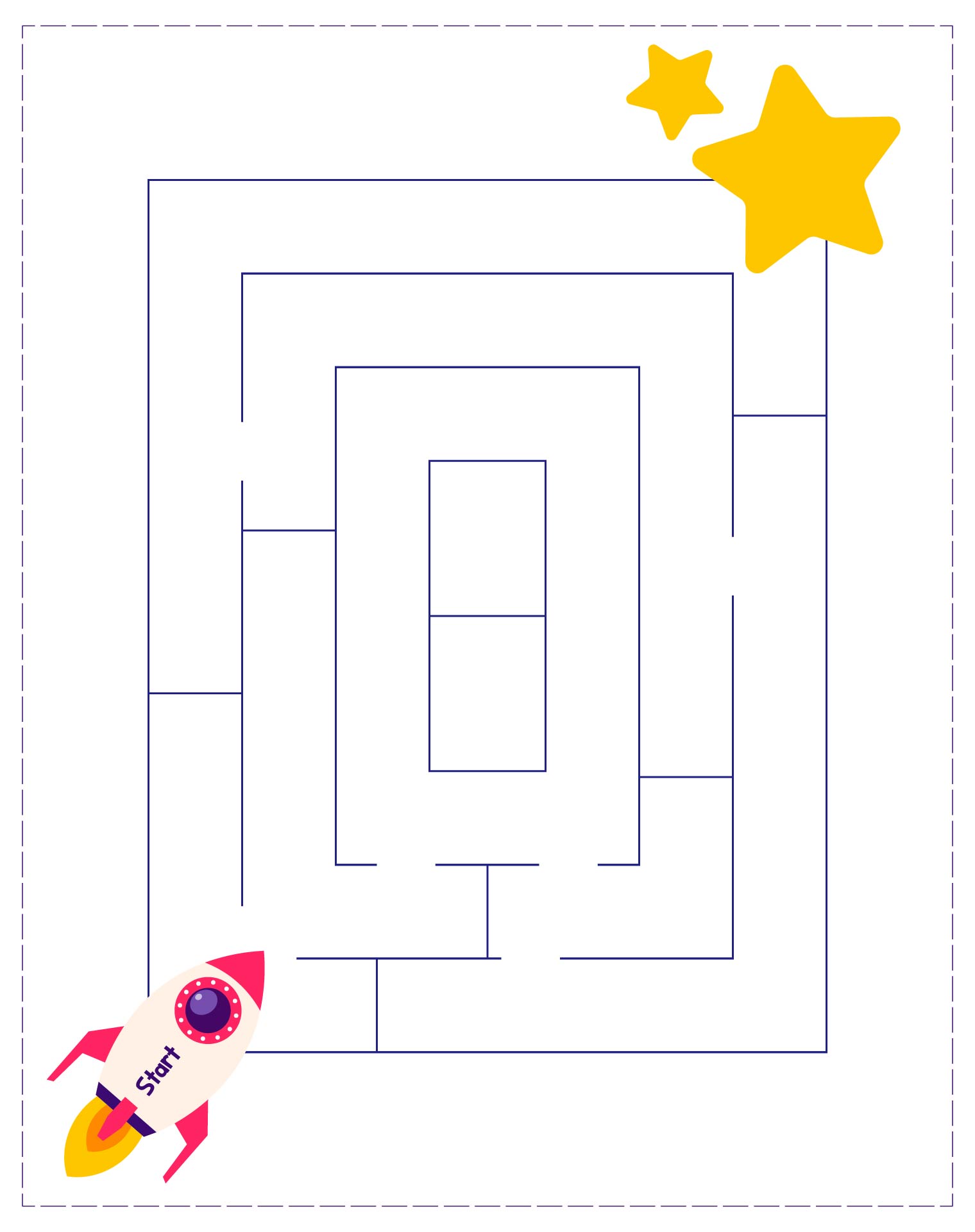
 Nursery Brain Games Worksheet
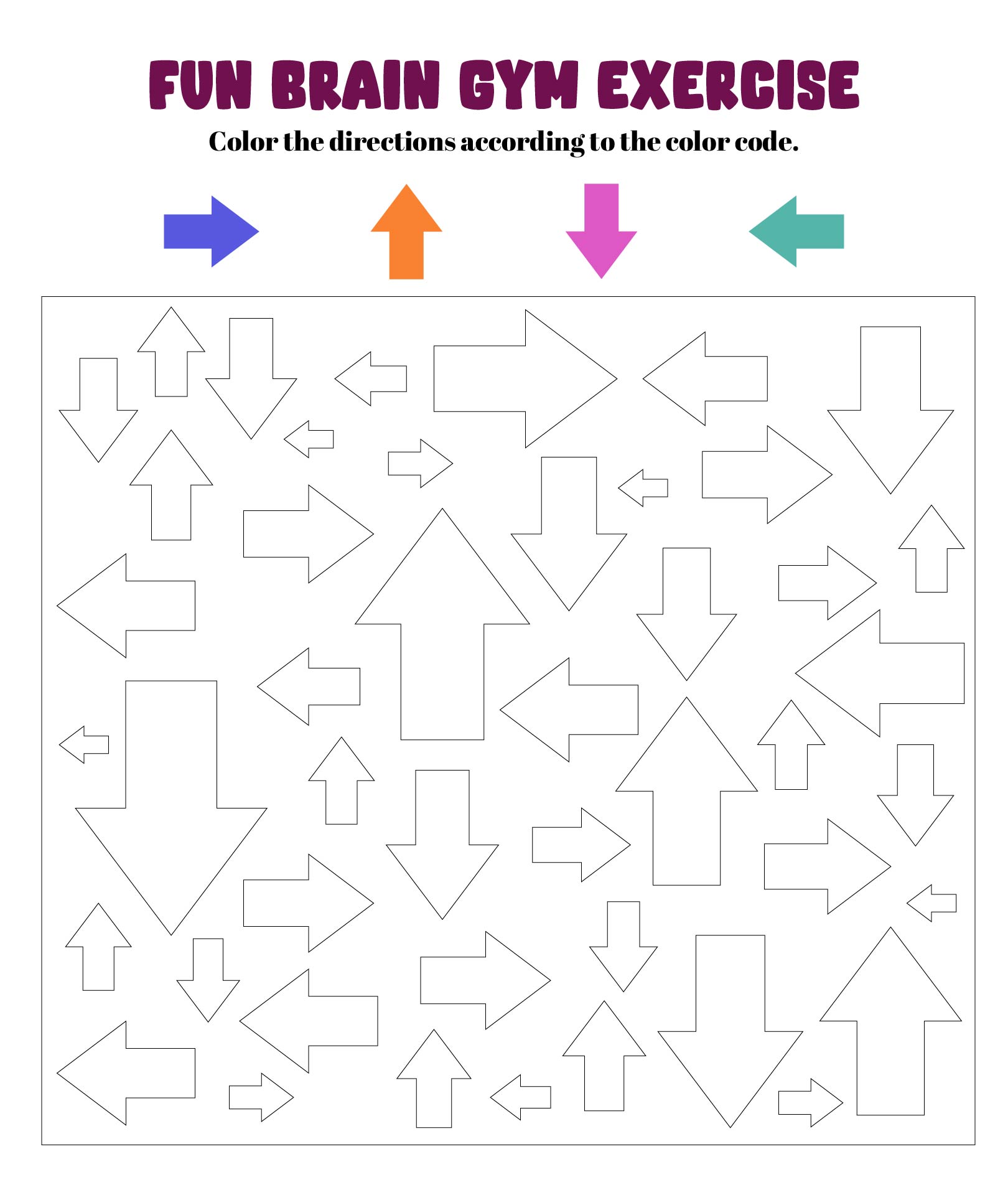
 Fun Brain Gym Exercise For Kids
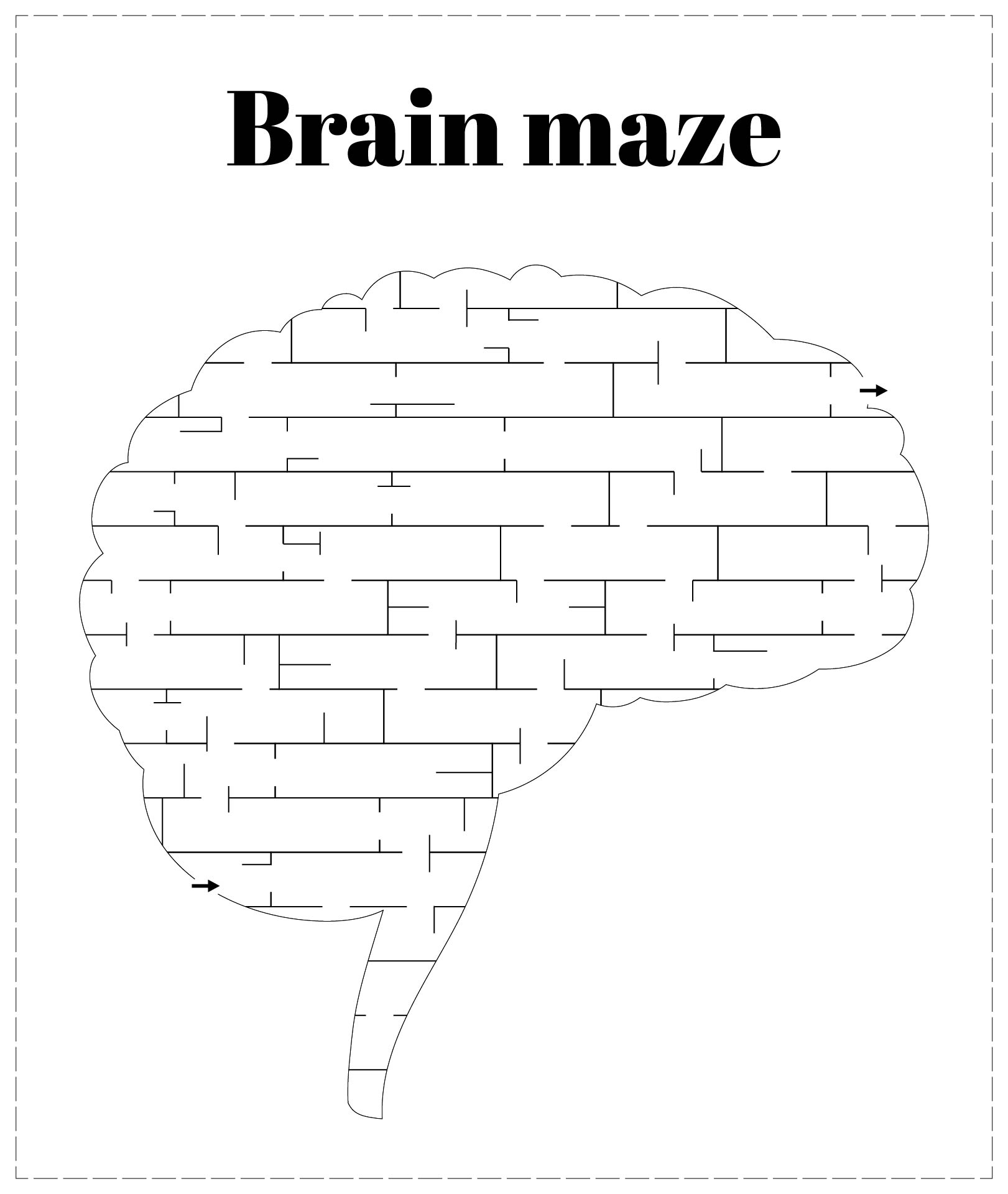
 Brain Maze Activity Worksheets
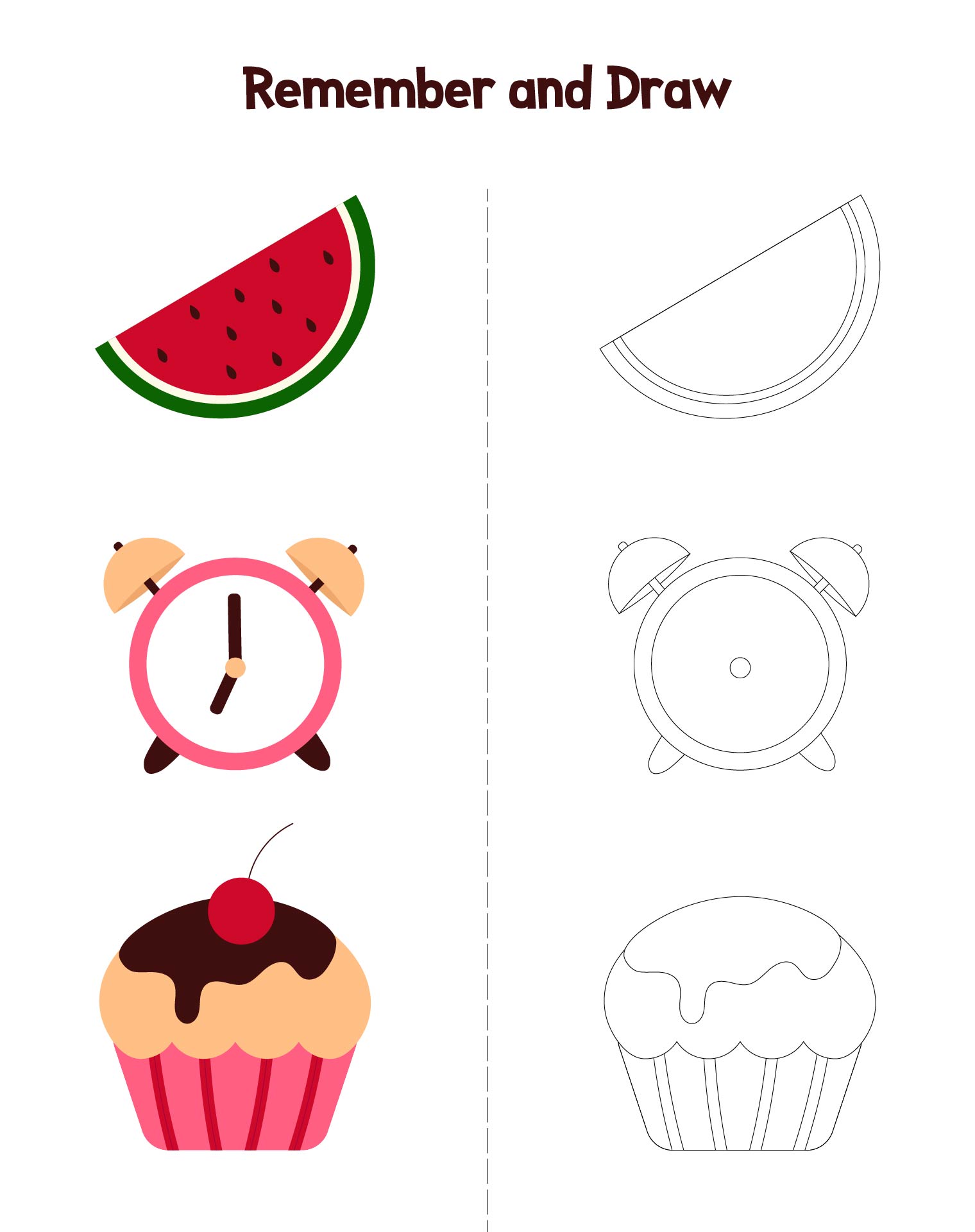
 Simple Visual Memory Game For Kids
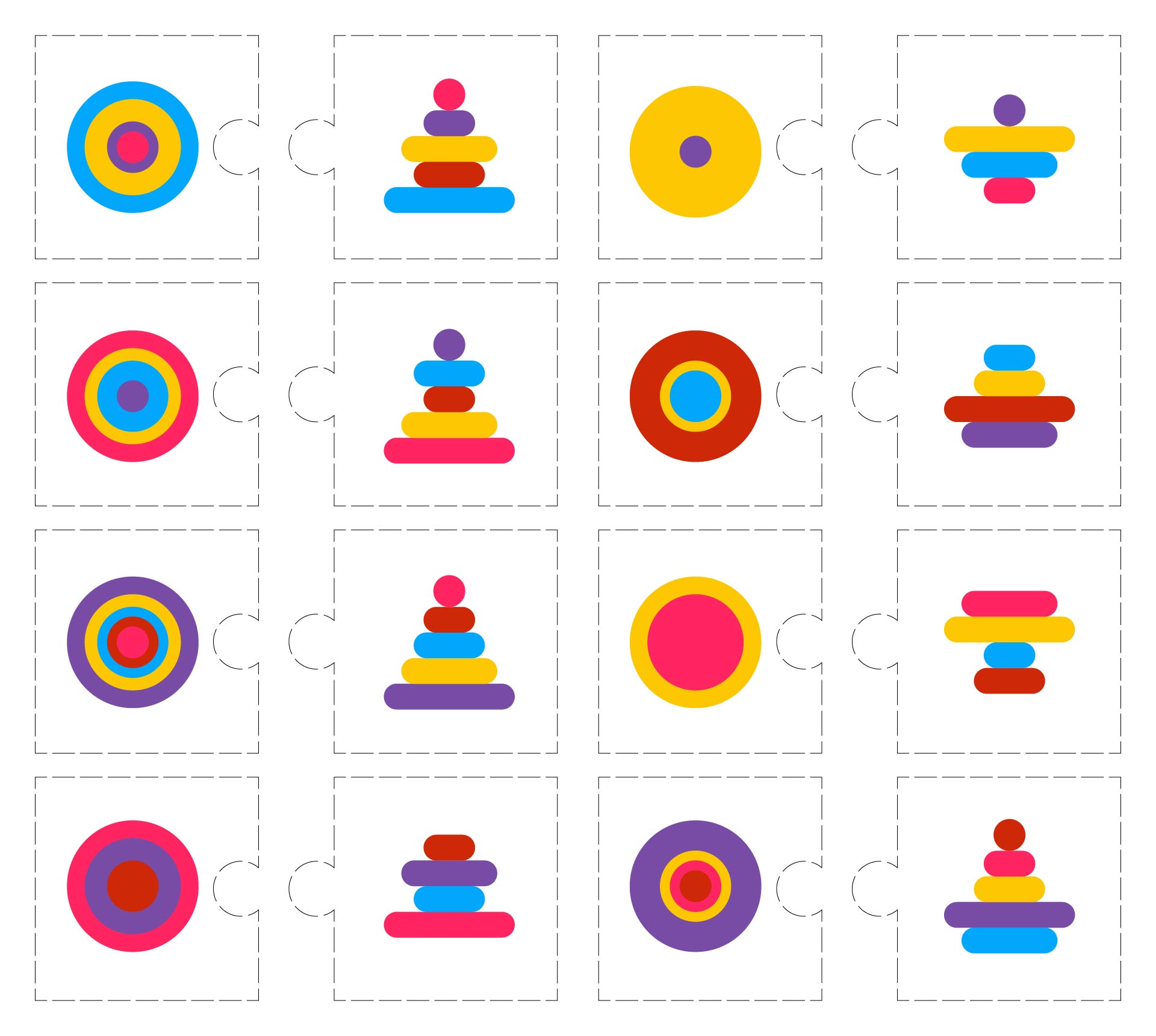
 Fun Attention Games For Kids










Have something to tell us?
Recent Comments